

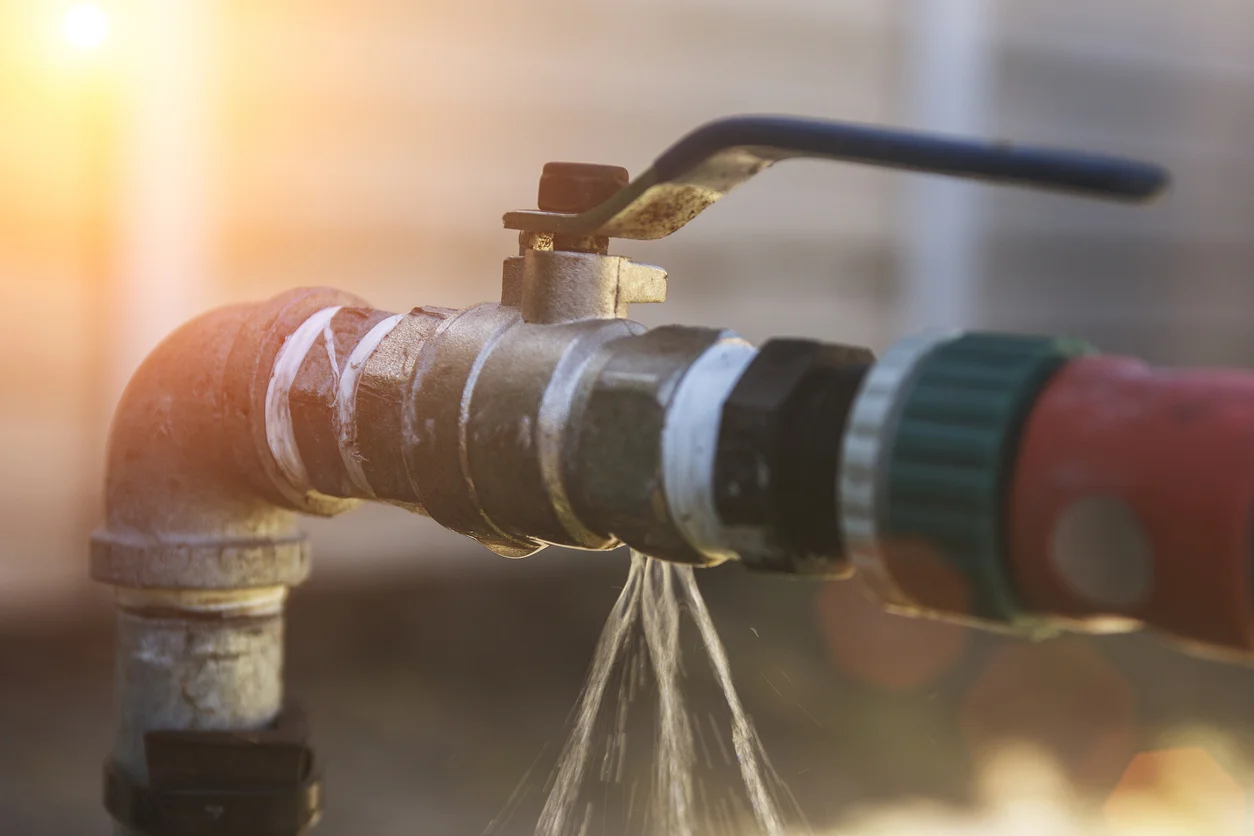
Most irrigation leaks don't announce themselves. There's no alarm, no obvious puddle in the middle of the yard, no moment where you look outside and think — okay, something is wrong. They just run quietly, cycle after cycle, while your water bill climbs and your soil stays wetter than it should.
That's what makes them so costly. It's not the leak itself, exactly. It's the time between when the leak starts and when someone finally does something about it.
The Numbers Make a Strong Case for Acting Early
A leak the width of a dime in an underground sprinkler line can waste 6,300 gallons of water per month, effectively doubling a typical household water bill. That's one leak. One small breach in one line, running undetected through a normal irrigation schedule, and the financial damage compounds every single week it goes unaddressed.
Beyond the utility charges, which can run $50 to $200 per month in excess water costs alone, there's the risk of property damage, landscaping loss, and in some regions, municipal fines during drought restrictions. None of those costs show up on a water bill. They show up later, usually all at once, and usually at the worst time.
Why Irrigation Leaks Are So Easy to Miss
An indoor plumbing leak tends to make itself known. Water stains on a ceiling, moisture around a fixture, something that eventually gets noticed and dealt with. Irrigation leaks don't work that way. They live underground, run on a timer in the early morning, and by the time the cycle ends, whatever moisture was visible has already soaked into the ground or evaporated.
Minor leaks can go unnoticed for months, and in that time, they can cost a homeowner hundreds to thousands of dollars in a single season before anyone realizes what's happening. That's a conservative estimate for a single residential system. For commercial properties with larger zones and longer run times, the exposure is considerably higher.
The other problem is that many property owners assume the system is fine because the lawn looks fine. That assumption breaks down quickly because an irrigation system can leak steadily in one part of the yard while another zone keeps the grass green. The two things don't always connect visually until the damage is already significant.
Sprinkler Leak Warning Signs Worth Paying Attention To
There are things that, if you know how to look for them, tend to show up before a leak becomes a full-blown problem. A water bill that's higher than usual, without any obvious explanation, is probably the most common, and the one most people chalk up to rate increases or seasonal changes before they consider the irrigation system.
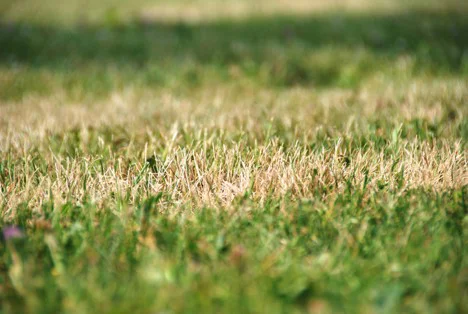
Soft, spongy ground in a specific area of the yard, especially between irrigation cycles, is another. So is erosion in areas where water shouldn't be pooling, or one zone that consistently produces greener, faster-growing grass than the rest of the lawn. That kind of uneven growth often points to oversaturation in one area, which is exactly what a slow underground leak produces over time.
Visible wet spots near valve boxes or around the base of sprinkler heads are worth taking seriously, too. They're easy to dismiss as normal irrigation residue, but they can also be the first surface sign of a much larger issue developing underground.
The Case for Routine Irrigation System Maintenance
Many irrigation-leak repair calls that come in during the peak of the season could have been caught months earlier during a routine system inspection. That's not a knock on property owners — most people don't think about their irrigation systems until they're actively causing problems. That's just how it tends to go.
According to the EPA, homeowners who have a certified irrigation professional perform regular maintenance on their systems can reduce water use by 15 percent or nearly 8,800 gallons annually. For a system that's already developed a leak, the savings from catching it early are on top of that. The math tends to favor routine maintenance pretty consistently, both in water conserved and dollars spent.
FAQ for Irrigation Leaks
How do I know if my sprinkler system has a leak?
A sudden jump in your water bill is usually the first clue. You might also notice soggy patches, unusually green grass in one area, or water pooling near sprinkler heads.
Can a small irrigation leak really waste that much water?
Unfortunately, yes. Even a tiny underground leak can waste thousands of gallons over the course of a month because the system keeps cycling automatically.
Are underground irrigation leaks hard to find?
They can be. Most leaks happen below the surface and often run early in the morning, so homeowners may not notice anything until the problem has been there for a while.
What causes irrigation systems to start leaking?
Age, shifting soil, cracked pipes, worn seals, damaged sprinkler heads, and pressure issues are all common causes.
Is it worth scheduling routine irrigation inspections?
Absolutely. Catching a minor issue early is typically far less expensive than dealing with landscape damage, erosion, or major repairs later.
Don't Wait for the Water Bill to Tell You
By the time a leak shows up clearly in your monthly water costs, it's already been running for a while. Getting ahead of it is almost always the smarter financial decision, and it's a straightforward one.
Conserva Irrigation performs thorough irrigation system inspections (and commercial site assessments) designed to catch exactly this kind of issue before it becomes expensive — leaking pipes, worn heads, faulty valves, and anything else that's quietly working against the system's efficiency. If it's been a while since anyone has taken a real look at your system, that's usually reason enough to schedule one.
Call Conserva Irrigation at (804) 353-6999 or find a location nearby to schedule an irrigation system inspection. A small repair now beats a significant one later.

.jpg.2607091646182.webp)
