
Why Soil & Water Don’t Always Get Along the Way You Expect
For most people, sprinklers are what first pops to mind when they think about efficient irrigation. Heads pop up, water sprays, grass gets wet, job done. That is the mental picture. What often gets skipped is the quiet partner in the process, sitting just beneath the surface. Soil has opinions about water, whether we realize it or not.
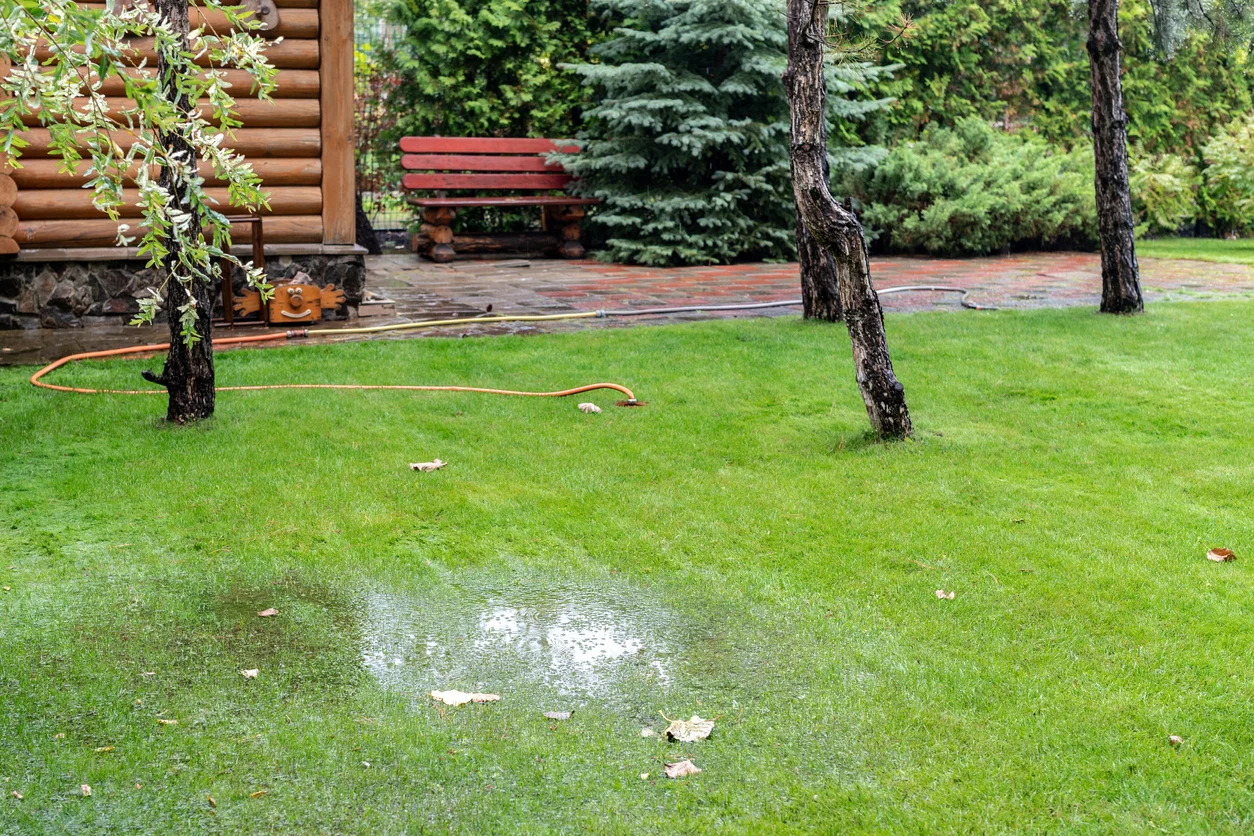
Some yards drink water slowly. Some let it rush right through like coffee through a paper filter. Some hold onto water longer than expected, creating puddles that linger well after the sprinklers shut off. Those differences rarely come down to the sprinkler system alone. They usually start with soil type.
Before getting too technical, let’s look at the different types of soil. This will help outline how different types of soil serve as gatekeepers of irrigation efficiency, determining how quickly water enters the ground, how long it stays, and whether plant roots can thrive.
Clay vs Sand & The Tug-of-War with Water
Not all soil behaves the same, and the differences between clay and sandy soil can feel dramatic once you notice them. If you have ever stepped into a soggy patch of lawn that stays wet long after watering, or watched water disappear almost instantly into dry ground, you have seen these differences in action.
Clay Soil & Its Slow-and-Steady Personality
Clay soil has very fine particles packed tightly together. That tight structure makes it good at holding water, but not always good at sharing it with plants.
Clay soil tends to:
- Hold moisture for extended periods. Water stays in place longer, which can be helpful during dry stretches.
- Drain slowly. Excess water may accumulate near the surface, forming puddles or soggy patches.
- Compact easily. Foot traffic and heavy equipment can compact clay soil, making it even harder for water to move through.
- Create runoff risk. When water cannot soak in fast enough, it flows across the surface instead.
Homeowners with clay-heavy soil often find that shorter watering cycles spaced throughout the day work better than long watering sessions. This approach gives the soil time to absorb moisture gradually instead of overwhelming it all at once.
Sandy Soil & Its Quick-Draining Nature
Sandy soil sits on the opposite end of the spectrum. Its particles are larger and looser, which allows water to pass through quickly. That sounds helpful at first, but the downside shows up when moisture disappears before plants can fully benefit.
Sandy soil often:
- Drains rapidly. Water moves downward quickly, sometimes beyond the reach of roots.
- Requires more frequent watering. Because moisture does not linger, plants need consistent replenishment.
- Warms up quickly. This can promote early growth but may also increase evaporation.
- Leaches nutrients easily. Important minerals can wash away along with excess water.
If your yard dries out faster than expected after watering, sandy soil may be the reason. Adjusting watering frequency often helps balance moisture levels without wasting water.
Loam & The Quiet Overachiever of Soil Types
Some soils land somewhere between clay and sand. Loam is often considered the ideal blend because it balances moisture retention with proper drainage. It contains a mix of sand, silt, and clay particles, giving it flexibility that supports plants and irrigation efficiency.
Loam soil is known for:
- Balanced moisture retention. Water stays available without becoming trapped.
- Good airflow around roots. This supports healthier plant growth over time.
- Reliable drainage. Excess moisture moves away without causing standing water.
- Adaptability to different landscapes. Many plants thrive in loamy conditions.
While not every yard naturally has loam soil, improvements such as soil amendments and proper irrigation adjustments can help mimic some of its benefits.
Watering Clay vs Sandy Soil & Finding the Right Rhythm
The phrase "watering clay vs. sandy soil" comes up often in irrigation conversations, and for good reason. Timing matters just as much as volume.
Trying to water every yard the same way can lead to frustration, especially when one lawn floods while another dries out. The difference is often subtle, and a small shift in watering habits can significantly improve efficiency and plant health.
When adjusting watering routines, keep these ideas in mind:
- Shorter cycles for clay-heavy areas. Breaking watering into multiple sessions allows moisture to soak in gradually.
- More frequent watering for sandy soil. Short bursts delivered more often help maintain consistent hydration.
- Observation matters more than guesswork. Watch how long water sits on the surface or how quickly the ground dries out.
- Seasonal changes affect performance. Soil reacts differently during heat waves, heavy rain periods, or cooler months.
It is not unusual for homeowners to assume their irrigation system needs replacement when the real issue lies beneath their feet.
How Soil Type Irrigation Adjustments Improve Efficiency
When irrigation matches soil behavior, water waste drops, and plant health improves. That connection is often overlooked until water bills rise or landscaping struggles to keep up.
Smart irrigation planning takes soil into account from the beginning, not as an afterthought.
Small adjustments known to create noticeable improvements include:
- Proper zoning techniques. Different areas of the yard may require separate watering schedules.
- Runoff prevention strategies. Adjusted spray patterns help reduce water loss across hard surfaces.
- Smart scheduling. Matching watering times to soil absorption rates supports consistent moisture levels.
- Long-term landscape protection. Healthier soil conditions support stronger roots and more durable lawns.
Sometimes efficiency improvements feel less like dramatic changes and more like small corrections that build momentum over time.
Signs Your Soil May Be Working Against Your Irrigation System
Yards tend to leave clues when something is off. Some are subtle. Others are hard to miss once you know what to look for.
A few indicators that soil type may be affecting irrigation performance include:
- Uneven growth patterns. Certain areas stay lush while others struggle to stay green.
- Persistent puddles. Water remains visible long after watering ends.
- Dry patches that return quickly. Soil loses moisture faster than expected.
- Visible runoff. Water flows across sidewalks or driveways during watering.
- Compacted or cracked soil surfaces. These signs often point to drainage or moisture issues.
Spotting these patterns early can prevent long-term damage and unnecessary water use.
Bring Soil & Irrigation Together for Better Results
Good irrigation is way more than just getting the right hardware. It is about understanding how water moves through the ground and how small adjustments create better results over time.
It involves:
- Soil type. The type of soil under your lawn quietly controls how much water is absorbed and how much is wasted.
- Water movement below the surface. Roots rely on water staying available long enough to be useful, not rushing away or pooling in place.
- Efficiency beyond equipment. Even the most advanced irrigation system struggles when the soil beneath it is working against it.
At Conserva Irrigation, we take soil conditions seriously when evaluating irrigation systems because no two properties behave exactly alike.
We take care of:
- Professional irrigation inspections. Identify inefficiencies tied to soil type and watering schedules.
- Smart system adjustments. Tailor watering cycles to match real-world soil behavior.
- Water conservation strategies. Reduce waste while supporting healthier landscapes.
- Long-term maintenance support. Keep your system working efficiently throughout changing seasons.
If you suspect your watering routine is not delivering the results it should, or if your yard seems to fight against your sprinkler system, a professional evaluation can make a real difference.
Call (804) 353-6999 or find a location near you to schedule an irrigation evaluation with Conserva Irrigation. A closer look at your soil might reveal more than you expected.