
A lawn can look fine from above while the real trouble sits a few inches down. Grass roots need air as much as they need water, and soil that stays saturated can quietly take the first away. By the time blades turn yellow or thin out, the roots have often been struggling for a while.
What Roots Need from the Soil
Roots do more than absorb water and nutrients. They also respire, which requires oxygen from the air pockets between soil particles. Healthy soil holds a balance of minerals, organic matter, air, and moisture.
When drainage works, excess water moves through or away from the root zone, and air returns to those pockets. When it does not, water fills the spaces and stays there. That shift is where most drainage-related root problems begin.
How Poor Drainage Damages the Root Zone
The effects tend to build gradually, and each one can make the next more likely.
Oxygen Loss & Root Suffocation
Turf sitting in waterlogged soil can start to suffocate at the root level within a few days. Roots weaken, stop growing, and may begin to die back. Above ground, this often shows up later as thinning or discolored grass, which is why the cause is easy to misread.
Shallow Root Growth
Roots grow toward moisture. If water stays near the surface, they have little reason to reach deeper, and a shallow root system is generally less able to handle heat, drought, and stress. The same pattern appears in chronically oversaturated lawns, which can affect soil structure and the surrounding environment well beyond the lawn itself.
Root Rot & Fungal Disease
Soil that stays wet for long stretches creates conditions that favor fungal pathogens. Heavy thatch buildup can trap even more moisture at the surface. Once the disease settles into the root zone, it can be slow and costly to reverse.
Compaction & Nutrient Loss
Saturated soil compacts more easily, which makes it harder for water and air to move through it. Oversaturated soil also tends to hold nutrients less effectively. Clay-heavy yards are especially prone to these issues, and it helps to understand how soil type affects water movement on your property.
Signs Drainage May Be Affecting Your Lawn's Roots
Symptoms often appear after rain or after an irrigation cycle. Watching where and when they show up can point you toward the cause.
Common indicators include the following:
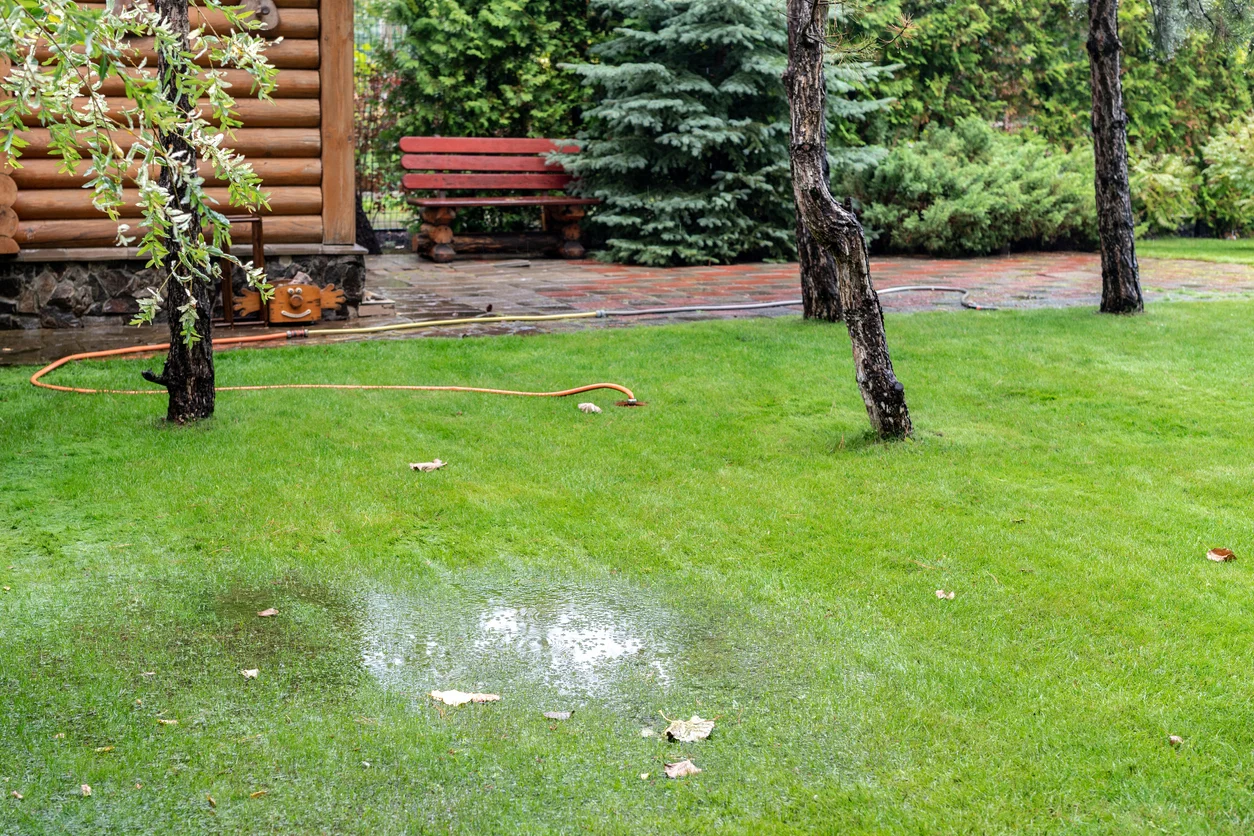
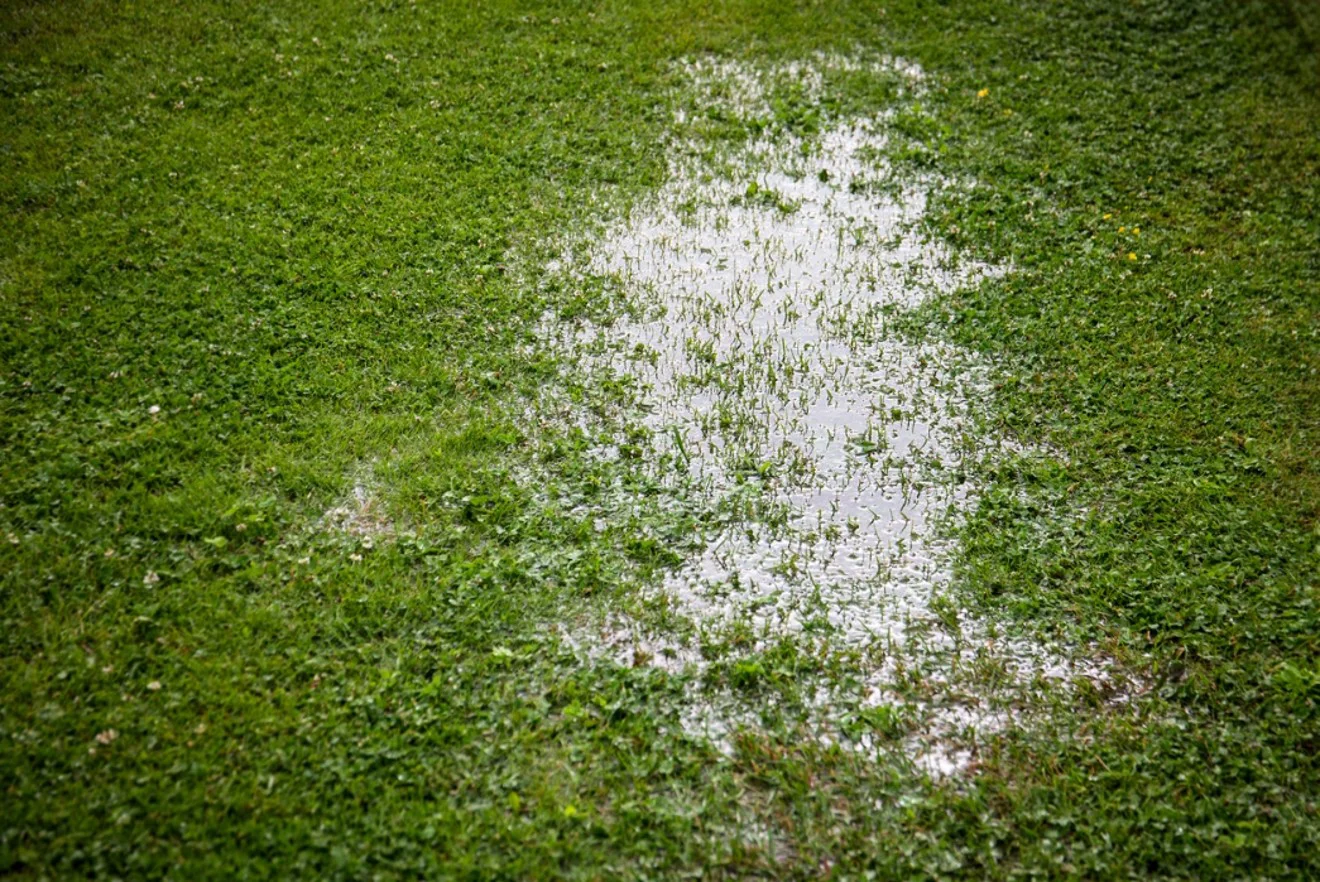
- Standing water. Puddles that linger for hours or days after rain suggest water is not leaving the area efficiently.
- Spongy ground. Soil that feels soft or squishy underfoot may be holding more water than the roots can handle.
- Thinning or yellowing turf. Grass that repeatedly fades in the same low spot can indicate oversaturated soil.
- Shallow roots. Turf that lifts easily when you tug on it may have a root system that never grew deep.
- Recurring fungus or mushrooms. A disease that recurs in the same areas can indicate persistent moisture beneath the surface.
Because dry patches and yellowing can have several causes, it is worth comparing these signs against the common signs of overwatering before deciding on a fix.
Is It a Drainage Problem or an Irrigation Problem?
It is often a mix of both. A useful starting point is to note when the pooling happens. Water that collects only after storms suggests drainage or grading issues, while water that lingers after sprinkler cycles may indicate run times are too long for your soil.
A smart controller can reduce irrigation, which adds to the problem, by adjusting to rainfall and weather. It cannot move stormwater off a low spot, so properties with persistent pooling may need both.
Drainage Solutions That Protect the Root Zone
The right fix depends on slope, soil, and where water collects.
Our drainage options include the following:
- French drains. A rock-covered trench with a pipe inside intercepts water and redirects it to a more suitable location.
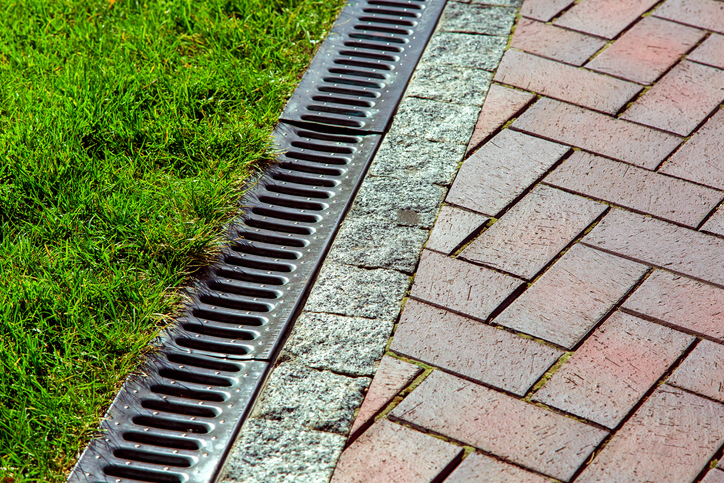
- Channel drains. Long grates collect water along driveways, patios, and other hardscapes before it spreads to the lawn.
- Downspout catch basins. These connect to your gutter system, directing roof runoff away from the foundation and plant beds.
- Dry creek beds. This option moves water across the landscape and can help reduce erosion while adding visual interest.
- Pop-up emitters. They release water at a controlled point away from the house at the end of the drainage line.
Drainage work involves digging trenches, and additional landscaping by a third-party landscaper may be needed afterward to restore the property's appearance. Addressing problem areas before the rainy season often costs less than repairing a damaged lawn, which is the point behind why early yard drainage can save money.
Protecting Your Lawn from the Roots Up
Healthy turf depends on what happens below the surface, and drainage is a large part of that. Spotting the early signs gives you more options than waiting until the roots have already declined.
At Conserva Irrigation, a trained team member can assess your property and recommend drainage solutions based on how water behaves during heavy rain. New customers can also take advantage of a free sprinkler system inspection to ensure the irrigation system is not contributing to the problem.
Call (804) 353-6999 or find a location to talk with Conserva Irrigation about drainage for your lawn.