

Is Your Irrigation System Still Doing Its Job?
An irrigation system can keep running long after it has stopped working particularly well. Sprinkler heads still pop up. The controller still turns on. Water still reaches the landscape.
That does not necessarily mean the system is operating efficiently.
Over time, equipment wears out, landscapes change, and technology improves. A system that was perfectly adequate when it was installed may eventually use more water than necessary, provide inconsistent coverage, or require increasingly frequent repairs.
Knowing when those problems point to an upgrade rather than another repair can save water, reduce ongoing maintenance, and improve the health of your landscape.
What Are the Signs Your Irrigation System Needs an Upgrade?
Some irrigation problems are easy to fix. A broken sprinkler head or clogged nozzle does not necessarily mean the entire system needs to be replaced.
Other warning signs are more persistent. Look for:
- Frequent Repairs. If the same system requires repairs repeatedly throughout the season, replacing aging components may make more sense than continuing to address problems individually.
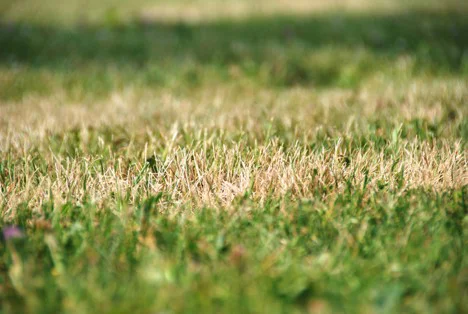
- Uneven Coverage. Dry patches and consistently oversaturated areas can indicate that the system no longer distributes water effectively.
- Rising Water Bills. Increasing water use without a corresponding change in landscape needs can point to inefficient equipment, leaks, or outdated programming.
- Outdated Controllers. Older timer-based controllers may lack the ability to adjust watering based on weather and changing landscape conditions.
- Aging Sprinkler Heads. Worn heads can produce poor spray patterns, leak after a zone shuts off, or distribute water inconsistently.
- Major Landscape Changes. New planting beds, hardscapes, trees, or expanded lawn areas can leave an older irrigation layout poorly matched to the property.
One isolated issue may only require a repair. Several of these problems occurring together are a stronger indication that the system deserves a broader evaluation.
Is an Old Irrigation System Automatically Inefficient?
Not necessarily.
Age is a useful factor, but it is not the only one that matters. Some older systems continue to perform well because they have been properly maintained and periodically updated.
The more important question is whether the system can deliver the amount of water your landscape needs with reasonable efficiency.
A professional evaluation can look at the system as a whole, including:
- Sprinkler Performance. Heads and nozzles should provide appropriate coverage without excessive misting or overspray.
- Water Pressure. Pressure that is too high or too low can affect distribution and increase waste.
- Zone Design. Each zone should group areas with reasonably similar watering requirements.
- Controller Programming. Schedules should reflect current seasonal and weather conditions.
- System Leaks. Hidden leaks can waste substantial amounts of water without creating an obvious problem on the surface.
A system does not need to be new to be efficient. It needs to be properly designed, maintained, and matched to the landscape.
Could a Smart Controller Make a Difference?
The controller is one of the easiest places to modernize an older irrigation system. Traditional controllers generally operate according to a preset schedule. Once programmed, they may continue watering on the same days and for the same amount of time regardless of whether conditions have changed.
Weather-based and smart controllers can respond more dynamically. Depending on the system, modern controls can use information such as:
- Weather Conditions. Controllers can adjust watering based on changing weather patterns.
- Rainfall. Some systems can reduce or suspend irrigation when sufficient rain has occurred.
- Temperature & Evapotranspiration. Weather data can help estimate how quickly plants and soil are losing moisture.
- Seasonal Changes. Watering needs typically change throughout the year, and smarter controls can help account for those shifts.
Upgrading the controller may be enough to improve an otherwise functional system. In other cases, it makes sense as one part of a larger irrigation upgrade.
When Does Repair Make More Sense Than Replacement?
Not every irrigation problem calls for an upgrade. If the underlying system is sound, targeted repairs can often restore performance without the expense of replacing major components.
Repair may be appropriate when:
- The Problem Is Isolated. A single broken head or damaged section of tubing is usually a straightforward repair.
- The System Provides Good Coverage. If the overall design still matches the landscape, there may be little reason to replace it.
- Most Components Are in Good Condition. A handful of worn parts does not necessarily justify a complete upgrade.
- The Controller Still Meets Your Needs. A functioning controller with appropriate programming may not need replacement.
The decision changes when repairs become routine, or the system's basic design no longer works for the property.
When Is a Full Irrigation Upgrade Worth Considering?
An upgrade becomes more compelling when multiple parts of the system are holding back its performance.
That can happen when:
- The Landscape Has Changed Significantly. New plants, lawn areas, hardscapes, and other changes can make the original irrigation layout obsolete.
- Water Waste Remains High. Persistent inefficiency may indicate that replacing equipment is more practical than repeatedly adjusting it.
- The System Has Reached the End of Its Useful Life. Older components can become increasingly difficult or costly to maintain.
- Watering Needs Have Become More Complex. A property with diverse plantings may benefit from additional zones or more precise irrigation technology.
- You Want Better Water Management. Modern controllers, pressure regulation, drip irrigation, and more efficient sprinkler components can provide greater control over where and when water is applied.
An upgrade does not necessarily mean replacing every component. In many cases, a professional can identify which parts should be retained and which are worth modernizing.
What Can an Irrigation Upgrade Include?
Every property has different needs, so an upgrade should be based on how the existing system performs rather than a one-size-fits-all package.
Depending on the condition of the system, improvements may include:
- Modern Sprinkler Heads & Nozzles. More efficient components can improve distribution and reduce unnecessary overspray.
- Smart Controller Installation. Updated controls can provide more responsive scheduling.
- Pressure Regulation. Correcting excessive pressure can improve spray performance and reduce misting.
- Drip Irrigation. Targeted irrigation can be useful for planting beds, shrubs, gardens, and other areas where broad sprinkler coverage is unnecessary.
- Additional or Reconfigured Zones. Separating areas with different watering requirements can make the system easier to manage efficiently.
- Updated Valves & Other Components. Replacing aging equipment can improve reliability and reduce recurring maintenance problems.
The best upgrade is the one that addresses the actual source of inefficiency rather than simply adding new equipment.
How Can a Professional Irrigation Evaluation Help?
It can be difficult to determine whether an irrigation system needs a few repairs or a more substantial upgrade simply by looking at the sprinkler heads. A professional evaluation can assess how the system performs while it is operating and identify problems that may otherwise go unnoticed.
That assessment can help reveal:
- Coverage Problems. Areas receiving too much or too little water can indicate issues with head placement, pressure, or zone design.
- Hidden Leaks. Water loss can occur underground or inside components without leaving an obvious surface sign.
- Outdated Equipment. An evaluation can identify components that are limiting system performance.
- Programming Issues. Sometimes the equipment works properly, but the watering schedule does not.
- Opportunities for Modernization. A professional can determine whether smart controls, drip irrigation, or other upgrades would benefit the property.
That gives property owners a clearer picture of what actually needs to change before investing in new equipment.
Frequently Asked Questions About Irrigation System Upgrades
How long does an irrigation system typically last?
There is no single lifespan for an irrigation system. Sprinkler heads, valves, controllers, pipes, and other components can wear at different rates depending on installation quality, water conditions, climate, and maintenance. An older system can continue working well, while a newer one may develop problems if it has not been properly maintained.
Can I upgrade my irrigation system without replacing everything?
Yes. An irrigation upgrade does not necessarily mean starting over. A professional can evaluate the existing system and determine which components are still functioning well and which may benefit from replacement. Updating the controller, sprinkler heads, valves, or other individual components may improve performance without requiring a complete system replacement.
Why does my irrigation system keep breaking?
Repeated breakdowns can have several causes, including aging components, excessive water pressure, poor installation, underground leaks, or equipment that is no longer well-suited to the landscape. If different parts of the system keep requiring repairs, it may be worth evaluating the system as a whole rather than treating each failure separately.
Will an irrigation upgrade lower my water bill?
An upgrade can reduce unnecessary water use when outdated or poorly performing equipment is contributing to waste. However, the actual effect depends on the condition of the existing system, the landscape, the watering schedule, and other factors. Improving efficiency is about applying the right amount of water in the right places, not simply installing newer equipment.
Does changing the irrigation controller count as an upgrade?
It can. For some properties, the controller is the main limitation. Replacing an older timer with a more capable controller can provide greater flexibility in adjusting watering schedules and responding to changing conditions. Whether a controller upgrade is enough depends on how well the rest of the system is performing.
Give Your Irrigation System a Better Way to Work
An irrigation system should not require constant repairs or waste water simply because it has become outdated. In many cases, a thoughtful upgrade can improve coverage, efficiency, reliability, and control while bringing the system more closely in line with the landscape it serves today.
Conserva Irrigation provides irrigation inspections, repairs, system upgrades, smart controller installation, drip irrigation, and other services designed to improve system performance for residential and commercial properties. Whether your system needs a targeted repair, updated controls, improved zone coverage, or a more comprehensive upgrade, a professional assessment can help you determine the most appropriate next step.
If you are dealing with recurring irrigation problems or wondering whether your system has reached the point where an upgrade makes sense, call (804) 353-6999 or find a location online to schedule an evaluation.

.jpg.2607091646182.webp)
