
As the cooler fall months approach, it’s time to rethink irrigation schedules to match the changing needs of your landscape. Fall brings lower temperatures, reduced sunlight, and often increased rainfall — all factors that mean your plants need less water. Making the right fall irrigation adjustments helps prevent overwatering, protects plants from damage, and saves on water bills through effective water conservation. This guide offers practical seasonal irrigation tips to optimize your system for the months ahead.
Why Adjust Your Irrigation in Fall?
Plants naturally reduce their water uptake as they prepare for dormancy. Holding onto a summer watering schedule risks overwatering, leading to root rot, fungal diseases, and wasted resources. Adjusting irrigation to cooler weather conditions ensures plants stay healthy while reducing unnecessary water consumption.
5 Fall Irrigation Adjustments to Consider
As the seasons change and fall approaches, your irrigation needs shift too. Cooler temperatures, shorter daylight hours, and often more rainfall mean that your landscape requires less water than during the peak summer months. Making key adjustments to your irrigation system during this transition is essential for conserving water, protecting plant health, and reducing unnecessary water expenses.
1. Reduce Watering Frequency and Duration
Fall weather generally means less water demand from plants. Reducing how often and how long your irrigation system runs can prevent overwatering, which often causes soggy soil conditions that weaken roots and promote disease. For example, if you typically water three times a week in summer, scaling back to once or twice weekly in the fall is a good starting point. Adjust further based on rainfall and local temperature trends to avoid waste.
2. Water Early in the Day
Schedule your irrigation for early morning hours, ideally between 6 a.m. and 10 a.m. This timing allows water to soak deeply into the soil before the cooler, damper night sets in. Watering in the morning minimizes evaporation losses and helps reduce the risk of fungal diseases that can occur when moisture lingers on foliage overnight.
3. Monitor and Respond to Rainfall Patterns
Stay attuned to local weather conditions and adjust your watering schedule accordingly. Many modern irrigation systems have rain sensors or smart controllers that automatically pause watering during rain events. This prevents irrigation from running unnecessarily, conserving water and preventing soil saturation.
4. Adjust Sprinkler Heads and Coverage
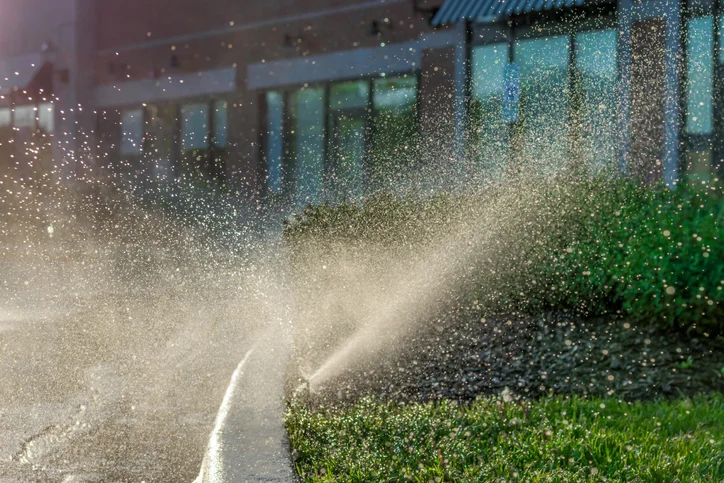
As the sun’s angle changes seasonally, your sprinkler coverage might need recalibration. Inspect sprinkler heads to ensure water is directed only to plant areas and not onto sidewalks, driveways, or other hardscapes. Properly adjusted sprinklers reduce water waste and help maintain even hydration across different parts of your landscape.
5. Winterize Systems as Temperatures Drop
Anticipate colder weather by preparing your irrigation system for winter. This includes draining water lines, insulating exposed pipes, and scheduling complete system shutdowns to prevent freeze damage. Taking these steps safeguards your irrigation infrastructure and helps avoid costly repairs in spring.
Bonus Seasonal Tips for a Healthy Landscape
Bonus Seasonal Tips for a Healthy Landscape
Fall is an important time to prepare your landscape for the cooler months ahead while ensuring it stays healthy and vibrant. Beyond adjusting your irrigation, several seasonal practices can greatly affect how your plants and lawn respond to changing conditions.
Mulch Plant Beds
Adding a thick layer of mulch to your plant beds is one of the most effective ways to help your landscape during fall. Mulch acts as a natural insulator, preserving soil moisture by reducing evaporation and protecting plant roots from the stresses of temperature swings that can occur in autumn. It also suppresses weed growth, improving overall soil health. Organic mulches like bark or composted leaves break down over time, enriching your soil with valuable nutrients. Mulching your beds now helps plants retain the moisture they need without requiring extra watering during cooler months.
Care for New Plantings
Newly planted trees, shrubs, or perennials are especially vulnerable as they work to establish strong root systems before winter. These plants often need more frequent watering for several weeks or even months after planting because their roots haven’t yet developed deep enough to access sufficient natural moisture. Keeping an eye on new plantings and watering them more regularly during fall encourages robust root growth, helps them withstand colder weather, and ensures a better chance of thriving come spring.
Adjust According to Plant Type
Not all plants have the same watering needs, especially as the seasons change. Lawns, shrubs, and perennials differ in how much water they use and when they enter dormancy or slow growth phases. For example, lawn grasses typically require less frequent irrigation in the fall but benefit from deep watering to strengthen their roots. Shrubs may need moderate hydration but often have lower water requirements than turf. Perennials can be less thirsty but still need adequate moisture to survive winter. Tailoring your irrigation schedule and care strategies based on plant type avoids overwatering or underwatering, helping each plant category stay healthy through fall and winter.
Incorporating these bonus seasonal tips alongside your fall irrigation adjustments creates a comprehensive care plan for your landscape. Mulching conserves moisture and improves soil, attentive watering of new plantings supports root establishment, and adjusting care by plant type targets water precisely where it’s needed most.
Together, these strategies conserve water, lower maintenance effort, and foster strong, resilient landscapes that endure changing fall weather and shortages. Thoughtful fall care sets the stage for a thriving outdoor space all year round.
Embrace Water Conservation with Fall Irrigation Care
Taking time in the fall to thoughtfully adjust irrigation settings supports healthy landscapes while reducing water use and lowering utility costs. These seasonal irrigation tips empower property managers and homeowners to care for plants efficiently, conserve water, and avoid common fall watering pitfalls. With simple and strategic changes, your irrigation system can transition smoothly to fall and set the stage for a thriving, sustainable landscape year-round.
When optimizing your irrigation for the season, Conserva Irrigation offers expert guidance and professional services to help you make the most of every drop—supporting smart water use and vibrant commercial landscapes.
Contact a location near you with questions or schedule a free sprinkler system inspection today.