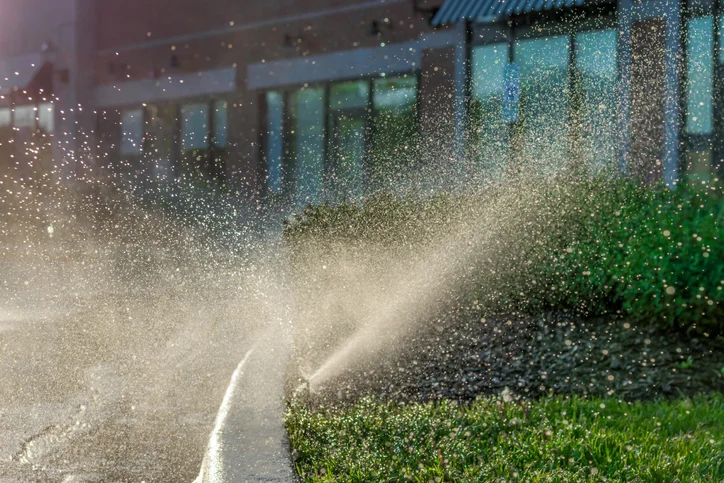

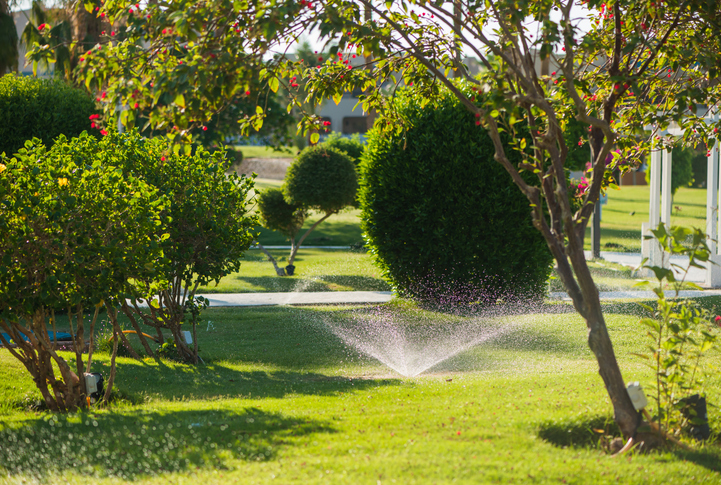
Smart irrigation design isn’t just about watering lawns—it’s about finding the balance between healthy, attractive landscapes and responsible water use. Business owners and property managers face unique challenges in maintaining commercial spaces, from high utility costs to evolving environmental standards. The right irrigation system can deliver lasting results: lower bills, sustain thriving plants, and have a lighter impact on local resources.
Assessing Commercial Irrigation Needs
Every great irrigation system starts with a careful site assessment. Mapping out lawn areas, plant beds, slopes, and sunny spots helps pinpoint where water is needed and is often wasted. Measuring water pressure and flow rates lets professionals design systems that match the property’s unique requirements.
Key considerations when assessing your needs include:
- Property layout – Divide lawns, beds, and ornamental areas by water needs.
- Plant selection – Think about how native and drought-tolerant varieties support lower water use.
- Soil type – Apply slow, deep watering to clay soils to allow for proper moisture absorption; use shorter, frequent watering cycles for sandy soils to accommodate rapid drainage.
- Climate – Adjust irrigation schedules according to local climate patterns, timing watering to seasonal changes and recent weather, and build flexibility into your system for sustainable landscape care.
Whether the water comes from municipal sources, private wells, or recycled rainwater, understanding supply and quality is key to long-term success.
Strategic System Design for Efficiency
Designing an efficient irrigation system means choosing components that use just enough water—no more, no less. Zoning strategies divide landscape areas by plant needs and sun exposure, so thirsty turf doesn’t get the same treatment as shaded beds or resilient shrubs.
Sprinkler Choices
Select sprinkler heads based on each area's shape, size, and vegetation. Rotor heads are ideal for efficiently covering large, open stretches of turf; they distribute water in wide arcs and can handle higher water pressure. Use spray heads in compact spaces and garden beds where precise coverage is needed, and choose drip irrigation for flowerbeds or planters. Drip lines deliver water directly to roots, cutting evaporation and runoff.
Smart Zoning
Create distinct irrigation zones tailored to sun exposure, slope, and plant type. Group thirsty plants in full sun separately from shaded groundcovers or drought-tolerant shrubs. This approach allows for customized scheduling and water quantities, so each landscape section receives just what it needs, preventing waste and promoting healthier growth.
Pipe Sizing
Size the mainline and lateral water pipes based on your system’s water pressure and flow rate findings. Properly sized pipes maintain even water distribution, avoid pressure drops, and reduce the risk of leaks or bursts. Oversized pipes waste material costs; undersized lines decrease system performance and may create dead zones.
Valve Placement
Position valves in accessible, organized valve boxes across the property, considering daily operation and future maintenance needs. Group valves by irrigation zones to streamline repairs and seasonal startups, and keep them out of high-traffic or landscaped display areas—enabling convenient servicing while maintaining property aesthetics.
High-efficiency nozzles and pressure-regulated heads also minimize wasted water, while check valves prevent soggy spots and overspray onto sidewalks or buildings.
Smart Technology Integration
Modern irrigation goes beyond timers and manual adjustments. Smart controllers connect to weather stations or online forecasts, adjusting watering schedules based on rainfall, humidity, and temperature. Remote control systems let property managers tweak settings from their smartphones, delaying irrigation before big events or responding quickly to leaks.
Benefits of Smart Irrigation
Smart irrigation systems offer advantages beyond watering your landscape. They combine technology and efficiency to create healthier plants, lower costs, and make managing large or complex properties easier.
Smart irrigation can make a real difference by:
- Reducing Water Consumption by 20–50% – Smart controllers only use weather-based scheduling and soil moisture data to water landscapes when needed. By avoiding unnecessary watering—like after rainfall or during cool, humid conditions—they help businesses save a significant portion of water that would otherwise be wasted.
- Preventing Costly Damage with Leak Detection – Advanced flow sensors monitor real-time water use and quickly detect leaks or broken pipes. Early alerts allow property managers to fix issues immediately, avoiding major landscape damage and saving money on excessive water bills.
- Easily Adjust and Monitor from Anywhere – Mobile and web-based access lets users manage irrigation schedules remotely. Whether responding to a sudden change in weather, preparing for events, or managing multiple properties, this flexibility saves time and ensures landscapes stay healthy without manual checks.
- Save Labor, Cut Utility Costs, and Simplify Compliance – Automated smart systems reduce the need for constant manual intervention, freeing up staff to focus on other priorities. Lower water use leads directly to reduced utility bills. Plus, smart irrigation helps ensure properties meet local water conservation regulations with minimal effort.
These benefits make smart irrigation systems a practical, efficient, and environmentally responsible choice for any business looking to maintain vibrant landscaping while managing costs and resources wisely.
Sustainability Through System Maintenance
A truly sustainable irrigation system is designed for the long haul. High-quality piping, accessible valve boxes, and clear documentation make ongoing maintenance and upgrades straightforward. Backflow preventers protect potable water supplies, while flow sensors and smart valves catch leaks early. Planning for future landscape changes, like adding zones or new plant beds, keeps systems flexible and efficient over time.
Keep your commercial irrigation system maintained by:
- Scheduling regular checks for leaks, broken heads, or clogged lines.
- Documenting all zones, valves, and components for quick repairs.
- Using scalable controllers that can handle tomorrow’s growth.
Investing in efficient, sustainable commercial irrigation makes sense for property managers and business owners. Thoughtful design offers various benefits, resulting in a property that looks great, respects the environment, and is ready for the future.
Maximize Efficiency and Sustainability with Expert Commercial Irrigation Solutions
Conserva Irrigation brings expertise and cutting-edge technology to help commercial properties optimize their irrigation systems for maximum efficiency and sustainability. From comprehensive site assessments to smart system upgrades and ongoing maintenance, our team works closely with property managers and business owners to identify water-saving opportunities and enhance landscape health. By integrating smart controllers, precise zoning, and advanced leak detection, we ensure your irrigation system runs smoothly, reduces water waste, and lowers operating costs. These thoughtful improvements support environmental goals while preserving the beauty and value of your property—delivering lasting benefits for your business and the community.
Ready to get started? Call (804) 353-6999 or find your closest location today.