

Start the Year with Smarter Water Management
A new year often brings renewed motivation to improve outdoor spaces. Homeowners plan fresh landscaping, healthier lawns, and more efficient irrigation systems, all to create a yard that looks great and functions well throughout the seasons. What is often overlooked during this planning phase is drainage, despite its critical role in protecting landscapes and structures.
Drainage is not just about managing excess water after heavy rain. It is a foundational component of yard water management that supports plant health, protects soil integrity, and ensures irrigation systems perform as intended. As homeowners set priorities for the year ahead, integrating drainage planning early can prevent costly problems and create a more resilient outdoor environment.
Drainage & the Bigger Picture of Yard Water Management
Water is meant to nourish landscapes, but when it moves or collects in the wrong places, it can cause lasting damage. Poor drainage often reveals itself slowly through soggy turf, eroding soil, or stressed plants, making it easy to dismiss until the problem becomes severe.
Effective drainage planning works hand in hand with irrigation system design. Irrigation delivers water efficiently, while drainage ensures excess water is redirected safely away from vulnerable areas. Together, they create balance, allowing landscapes to thrive without oversaturation or runoff.
When drainage is addressed as part of new year yard planning, homeowners gain the opportunity to assess their property holistically rather than reacting to issues later in the season.
Signs Your Yard May Need Drainage Improvements
Before diving into solutions, it helps to recognize common indicators that drainage planning should be part of your landscape goals. These warning signs often appear after rainfall or during irrigation cycles and should not be ignored.
Some common indicators include:
- Standing water after rain. Puddles that linger for hours or days indicate water is not moving away efficiently.
- Soil erosion. Washed-out areas or exposed roots suggest uncontrolled water flow across the landscape.
- Foundation moisture issues. Water pooling near the home can lead to structural concerns and basement moisture.
- Unhealthy turf or plants. Yellowing grass, root rot, or patchy growth often point to oversaturated soil.
- Hardscape damage. Cracked walkways or shifting pavers can result from water undermining the base materials.
Identifying these issues early allows drainage planning to be incorporated seamlessly into broader landscaping and irrigation updates.
Why the New Year Is the Ideal Time to Plan Drainage
The beginning of the year offers a strategic advantage for drainage planning. Landscaping decisions made early can account for water flow patterns, soil conditions, and future irrigation needs before peak growing season begins.
Planning drainage improvements in the new year provides several benefits, such as:
- Seasonal preparedness. Addressing drainage before spring rains and summer storms helps prevent emergency fixes later.
- Integrated design. Drainage solutions can be designed alongside irrigation systems for optimal efficiency.
- Cost control. Proactive planning reduces the likelihood of expensive repairs caused by water damage.
- Minimal disruption. Installing drainage before full landscape growth limits disturbance to established plants.
By prioritizing drainage early, homeowners set their yard up for success long before water issues have a chance to escalate.
Drainage Planning & Irrigation System Design
One of the most common mistakes in yard water management is treating irrigation and drainage as separate concerns. In reality, they are closely connected systems that must work together.
Irrigation system design focuses on delivering precise amounts of water based on plant needs, soil conditions, and weather patterns. Without proper drainage, even the most advanced irrigation system can contribute to water pooling or runoff. Drainage planning ensures that excess water, whether from rainfall or irrigation, moves safely away from lawns, planting beds, and structures.
When irrigation and drainage are planned together, homeowners benefit from:
- Balanced water distribution. Landscapes receive adequate moisture without oversaturation.
- Reduced runoff. Water is absorbed where it is needed rather than flowing into unwanted areas.
- Improved soil health. Proper moisture levels support stronger root systems and healthier plants.
- Long-term system performance. Irrigation components experience less stress when water movement is controlled.
This integrated approach is essential for sustainable and effective yard water management.
Common Drainage Solutions for Residential Yards
Drainage planning is not one-size-fits-all. The right solution depends on property layout, soil composition, slope, and existing landscaping. A professional assessment helps determine which options best address specific challenges.
Some commonly used drainage solutions include:
- French drains. These systems redirect water away from problem areas using underground piping and gravel.
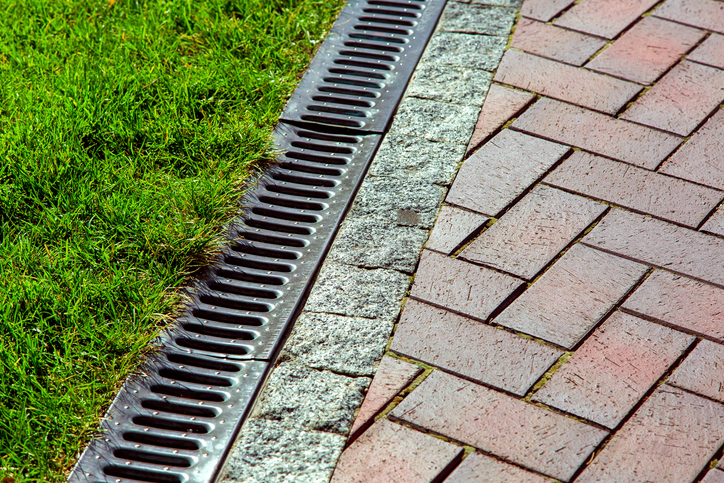
- Channel drains. Installed at surface level, these drains capture water along hardscapes or low points.
- Downspout extensions. Redirecting roof runoff helps prevent water from pooling near foundations.
- Grading adjustments. Reshaping the landscape encourages natural water flow away from structures.
- Dry wells. These underground reservoirs allow excess water to disperse slowly into the soil.
Each solution plays a role in guiding water where it can be absorbed safely or redirected without causing damage.
The Long-Term Value of Proactive Drainage Planning
Drainage improvements may not always be visible, but their impact is felt year after year. Proper drainage protects investments made in landscaping, irrigation systems, and even the home itself.
When drainage is included in new year yard planning, homeowners experience benefits such as:
- Healthier landscapes. Plants thrive in soil with balanced moisture levels.
- Lower maintenance costs. Preventing water damage reduces the need for repairs and replacements.
- Improved curb appeal. Dry, even lawns and stable hardscapes enhance the overall appearance of the property.
- Environmental responsibility. Thoughtful water management minimizes waste and runoff.
These long-term advantages make drainage planning a smart and necessary part of any landscaping strategy.
A Smarter Way to Plan for the Year Ahead
The new year is an opportunity to reassess how water flows through your yard and how it enhances the spaces you enjoy most. Drainage planning ensures that every drop works for your landscape, rather than against it, creating a foundation for healthier growth and more efficient irrigation.
If you are planning landscape updates, irrigation improvements, or a complete yard refresh, drainage should be part of the conversation from the start. Conserva Irrigation specializes in drainage solutions, irrigation system design, and smart yard water management strategies that prioritize efficiency, sustainability, and long-term performance.
To learn how proactive drainage planning can protect your property and improve your landscape throughout the year, call (804) 353-6999 or find a location near you to schedule a free sprinkler system inspection today.