
Many homeowners brace for heavy rain as the air thickens and clouds gather. It’s easy to hope your yard will weather the storms, but most properties face a hidden risk: a flooded yard because of poor drainage. Waiting until puddles form and water seeps toward your foundation often means reacting too late—and paying more than you should. Planning and installing yard drainage before the rainy season can go a long way toward protecting your home, wallet, and landscape.
Let’s break down why acting early matters, how irrigation drainage systems work, and the practical benefits you’ll see in your yard’s health and your bank account.
The True Cost of Neglecting Drainage
A pretty lawn isn’t just about curb appeal. How water moves in your yard matters for more reasons than you might think.
Repairs Add Up Quickly
When water pools against your house, it creeps into tiny gaps in the foundation, encourages mold growth, and can warp flooring. Fixing water damage—whether it’s a cracked patio, ruined drywall, or a shifting foundation—often costs thousands. What may seem like a harmless puddle can turn into a financial headache as leaks worsen or hidden rot develops.
Soil Erosion Destroys Roots
Rainwater that can’t drain properly carves channels through your lawn and flowerbeds. Soil disappears, roots are exposed, and precious landscaping gets washed away. Replacing soil, replanting flowers, or re-sodding lawns isn’t just a hassle—it’s expensive.
Insurance Doesn’t Always Cover It
Many homeowners learn the hard way that basic insurance policies don’t cover common water damage from surface water or groundwater. Proper yard drainage stops these problems at the source.
Yard Drainage Benefits: More Than Just Dry Feet
Most people don’t think about their yard’s drainage until something looks, feels, or smells off. But installing a quality system offers noticeable, year-round improvements.
Some of those improvements include:
- Preventing Water Damage – Moving water away from your home, patios, and deck prevents slow structural decay and the cost of major repairs.
- Reducing Mosquito and Pest Problems – Standing water is a breeding ground for mosquitoes and unwanted insects. Better drainage means fewer pests.
- Preserving Landscaping and Lawns – Proper water flow keeps plants and grass healthy by preventing root rot, suffocation, and soil compaction.
Good drainage is a quiet hero, working in the background to extend the life of your home and the beauty of your landscape.
How Irrigation Drainage Systems Work
A yard drainage system does more than just whisk water away. Modern approaches are designed to blend with your lawn and landscape, protect your investments, and require little maintenance once installed.
French Drains
A classic solution, French drains collect excess water underground and channel it away using gravel and perforated pipes. They often run along foundations, garden beds, and problem spots.
Downspout Catch Basins and Grates
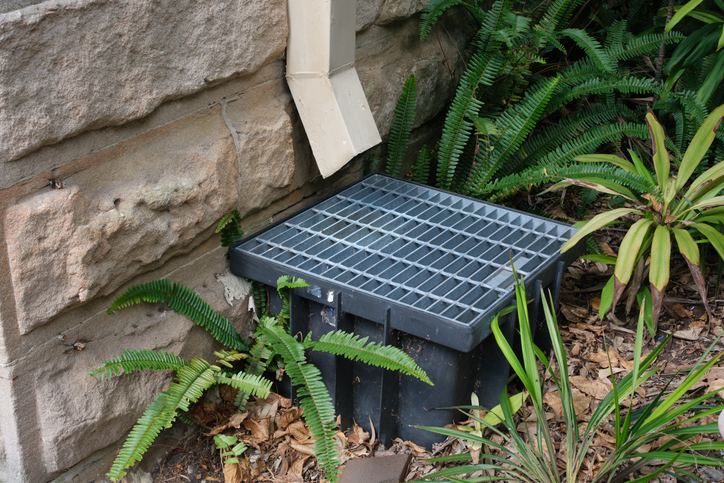
Installed at low points in the yard or near downspouts, these collect surface water and connect to underground pipes, safely moving it away from your home.
Dry Creek Beds
These decorative, shallow trenches lined with rocks look like natural features but direct water flow beautifully across large open yards.
Channel Drains
Channel drains collect and direct water efficiently from patios, driveways, or other hardscape areas, preventing pooling and channeling runoff to safe drainage areas.
Direct Pipes
Direct pipes refer to underground piping systems that transport water collected by catch basins, channel drains, or other collection points directly away from the yard to appropriate discharge locations, reducing surface water buildup.
Pop Up Emitters
Acting as outlets for the drainage system, pop up emitters release collected water at low points. Triggered by water pressure in the pipes, these emitters pop up to allow water to flow out and retract when dry, keeping debris out and blending seamlessly with your yard or landscape. They help manage discharge efficiently while minimizing standing water around your property.
These irrigation drainage systems work together to prevent water pooling, protect your home’s foundation, and maintain healthy soil and landscaping. Early installation and proper design ensure your yard stays safe and beautiful through heavy rains.
Soil Health: The Overlooked Problem
Your house is not the only thing at risk when you have improper drainage. Poor water management also damages the ground and creates poor soil health.
Some soil issues you might encounter include:
- Compaction – Heavy, repeated wetting and drying compacts soil, squeezing out air pockets that roots need. Lawns become thin and patchy, and plants struggle.
- Nutrient Runoff – When water races over bare ground, it washes away topsoil and essential nutrients plants need to thrive. That means more fertilizing, weeding, and reseeding.
- Poor Growth – Roots suffer if they’re constantly waterlogged or exposed to flowing water. Plants are more likely to die, reducing the shade and cooling effect, which can increase summer cooling costs.
A well-designed yard drainage system keeps the soil structure healthy and nutrients in place, ensuring that your yard remains green and vibrant year-round.
Install Drainage Early, Save Later
Many homeowners install drainage systems after discovering water damage or erosion. While it’s never too late to protect your property, acting before problems arise always costs less.
Early installation saves money by:
- Lowering Material and Labor Costs – It’s easier and cheaper to install systems before damage occurs or while you’re already making landscape updates.
- Minimizing Disruption – Early planning lets you avoid redoing hardscapes, digging up existing gardens, or interfering with newly matured plants.
- Preventive Value – Small adjustments early, like adding a basin by your driveway or improving the slope, are cheaper than repairing a cracked walkway or replanting entire flower beds.
Many companies offer drainage consultations ahead of the rainy season. Booking this service in late summer or early fall helps you beat the rush and gives contractors time to design the best solution for you.
Smart Water Management for Healthier Yards
Drainage solutions don’t just push water away. Irrigation drainage systems can be designed to redirect rainfall into thirsty beds or rain gardens, using every drop efficiently.
With smart planning:
- Your plants get the water they need, where they need it.
- Excess water flows away without harming soil or roots.
- You reduce water bills and waste, since runoff can supplement irrigation.
Integrated drainage and irrigation let you maintain a greener, more resilient yard long after the storms have passed.
Get Ahead of the Rainy Season
Heavy rains don’t have to spell disaster. A thoughtfully designed drainage system prevents water damage, preserves your landscape, and avoids costly repairs. Consider it insurance for your yard—one that pays off season after season.
Investing in yard drainage now means you’ll spend the rainy season relaxing, not worrying about hidden problems beneath your feet. It’s one of those upgrades that makes sense, saves money, and keeps your outdoors as beautiful as you imagined.
Let’s talk drainage systems! Contact your local Conserva Irrigation office to learn more information.