


Drain & Drainage Installations
Residential Backyard Drainage Solutions From Conserva Irrigation
Have you noticed pools of water, plant damage, or spongy ground on your property? Standing water around your house can spell disaster for your landscape, ruin the aesthetic look of your home, and lead to insect infestations and maintenance issues.
Conserva Irrigation provides comprehensive drainage solutions to prevent excess water accumulation. If you’re struggling with any of the problems listed above, call us for help. We’ll send out a trained team member to assess your property and make recommendations based on your goals and what you experience during periods of high rainfall.

French Drains, Channel Drains, & Adaptive Drainage Systems
Not all drainage has to be a large-scale project; sometimes the immediate goal is to get runoff water away from your house and landscape beds. With Conserva Irrigation’s Adaptive Drainage solutions, you can remove the runoff water that collects around your house with ease.
We tailor our drainage solutions to your property, and will recommend one of the following solutions based on what’s best for you:
-
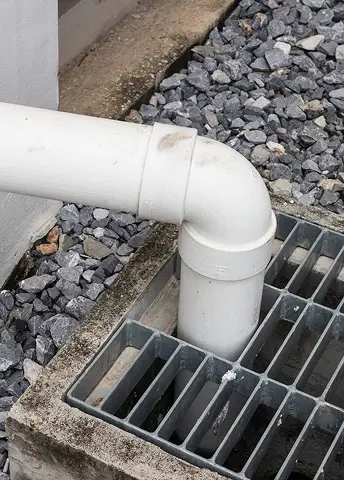 Direct Pipe
Downspout drains can clog with debris, so the grate can easily be removed to clean the clog.
-
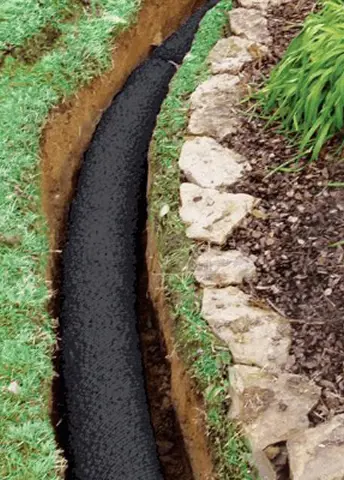 French Drains
French drains are rock-covered trenches, that lead water into a pipe. That pipe then redirects the water to a more desirable location, or disperses it so there is no standing water in your yard.
-
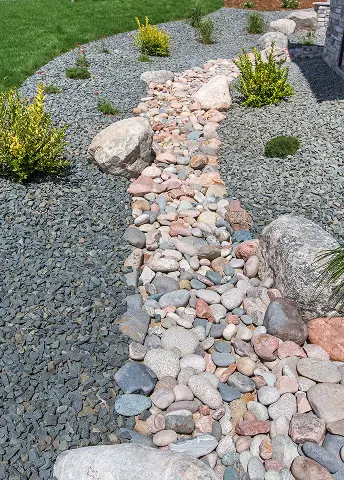 Dry Creek Beds
Dry creek beds are a great solution for properties with shaded areas and little slope. They move large amounts of water, cut down on erosion, and can prevent soil movement, while also being effective and aesthetically pleasing. Conserva offers design options that range from simple to elaborate.
-
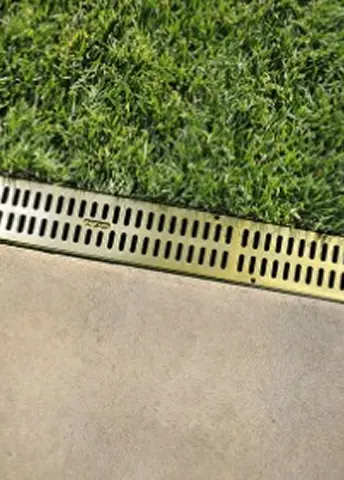 Channel Drains
Channel drains are commonly uses to keep driveways, patios, and pool decks free of standing water. These drains include long grates that collect water and move it through underground trenching.
-
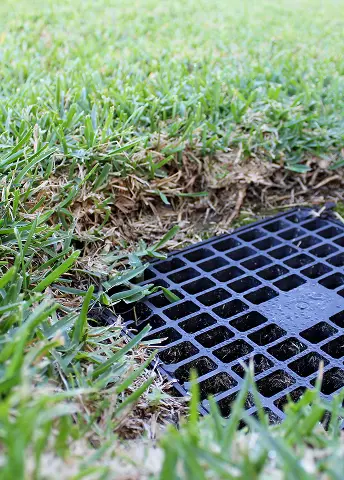 Downspout Drains
Downspout drains connect to your gutter system and are designed to move water away from the house. Downspout drains can be custom to your property, as some need extensions or underground drain lines to prevent pooling water.
-
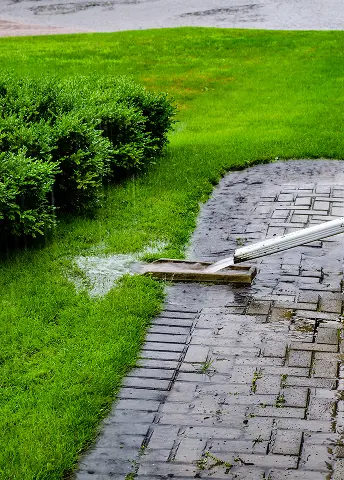 Downspout Catch Basin
A downspout and grate combination is used when it is likely that debris will be caught in your drainage system. Trees that hang over your home will lead Conserva to determine you need this component.A downspout and grate combination is used when it is likely that debris will be caught in your drainage system. Trees that hang over your home will lead Conserva to determine you need this component.
-
Downspout Defender Catch Basin
The downspout defender catch basin utilizes an angled grate to ensure that no debris from your roof enters your drainage system.The drainage defender utilizes an angled grate to ensure that no debris from your roof enters your drainage system.
-
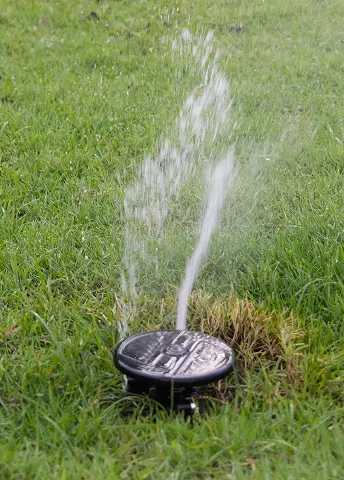 Pop Up Emitters
Pop up emitters are used to transfer runoff water away from the foundation of your home.

-
Better Lawn Health
The drainage solutions that Conserva offers can stop unwanted mold and fungus from forming on and around the pooling water. Your lawn will be much healthier with a custom drainage project from Conserva.
-
No Standing Water
Working with Conserva on a drainage project can get rid of the standing water on your lawn, which can wreak havoc on your grass and attract annoying bugs. Get rid of any standing water today with a custom drainage project.
-
Satisfaction Guarantee
With our drainage services, your satisfaction is of the utmost importance. We want to make sure that you are in love with your custom drainage project - that means we will make sure that it not only solves the drainage issue but is also an aesthetically pleasing addition to your yard.

“Conserva was able to quickly send Eric to take care of winterizing our irrigation system. He arrived on time (even a little early!) and was very professional. He worked quickly and efficiently. I will definitely be using Conserva again!”Jessica R.


-
1Free InspectionWe evaluate your current setup and create a System Efficiency Score to identify exactly what's working and what's wasting water.
-
2Fix the Urgent StuffOur experts fix critical issues first, prioritizing repairs that will have the biggest impact on water savings and system performance.
-
3Optimize PerformanceWe fine-tune sprinkler placement, adjust nozzles, and ensure even water distribution across your landscape for maximum efficiency.
-
4Upgrade TechnologyReplace outdated timers with intelligent controllers and sensors that reduce water usage by 40-60% while keeping your lawn healthy.
-
5Keep Things WorkingChoose from our maintenance plans to ensure your system stays efficient year after year, protecting your investment and savings.
-
 What's Your Water IQ?Water is one of the earth's most abundant resources, yet it's also one of the most precious and unfortunately, one of the most often wasted. To understand our passion for water conservation, consider these facts.
 -
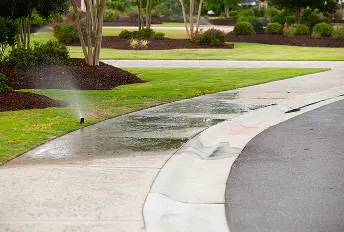 Products & PartnershipAt Conserva Irrigation®, we pride ourselves on offering the best irrigation and water conservation products available. That's why we're happy to partner with Toro and Hunter, the leaders in turf and landscape maintenance. We work together to bring you beautifully green lawns with less waste.
 -
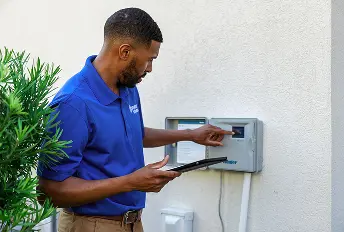 Hunter Hydrawise ControllerThe Hunter Hydrawise Wi-Fi Controller is the most advanced sprinkler system controller on the market. The Hydrawise controller uses real-time local weather data to automatically adjust your watering schedule, so your yard gets watered only when it's needed and never when it's not.