

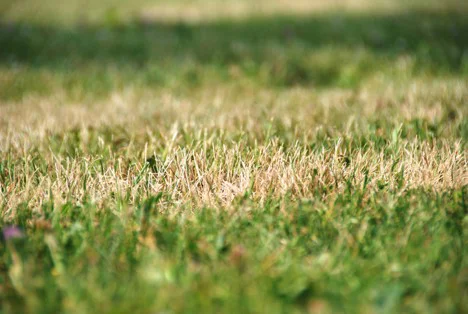
Irrigation systems work harder in summer than at any other point in the season. Longer run times, higher demand, and sustained heat all put added stress on equipment that may have already been running since spring.
The problem is that most issues do not announce themselves until they have already been compounding for weeks, showing up as dead patches, spiking water bills, or equipment that fails mid-season when you can least afford the disruption.
How Does Summer Heat Affect Irrigation Performance?
Heat affects more than just your lawn. It changes how your entire irrigation system operates, and understanding that relationship is the first step toward staying ahead of problems rather than reacting to them.
When temperatures climb and stay elevated, several things happen at once:
- Evapotranspiration rates increase significantly. Plants and turf lose moisture faster in extreme heat, which means a schedule that was adequate in May may be leaving your landscape under-watered by July without any obvious sign that the system is falling short.
- Pressure fluctuations become more common. Municipal water demand spikes during summer, which can cause supply pressure to drop during peak usage hours and affect how consistently your zones perform.
- UV exposure accelerates equipment wear. Sprinkler heads, exposed fittings, and valve components that sit in direct sun throughout the summer degrade faster than they would in cooler months.
- Soil conditions shift. Compacted or dry soil absorbs water more slowly, which means run times that worked earlier in the season may now be generating runoff before the water has a chance to reach the root zone.
What Signs Show Your System Is Struggling in the Heat?
Summer stress on an irrigation system tends to show up gradually. By the time the signs are obvious, the underlying issue has usually been developing for a while.
Watch for these warning signs throughout the season:
- Dry or brown patches that appear despite regular watering. This often points to coverage gaps, pressure loss, or heads that have shifted or failed and are no longer reaching their intended radius.
- Turf that looks stressed in the hottest part of the day. Some wilt in peak afternoon heat is normal, but grass that does not recover by evening may not be receiving adequate water during irrigation cycles.
- Water running off into sidewalks, driveways, or streets. Runoff during a cycle usually means run times are too long for current soil conditions or that compaction is preventing proper absorption.
- Sprinkler heads producing mist instead of a defined spray pattern. Fine misting in summer heat means a significant portion of that water is evaporating before it ever reaches the ground.
- Unusually high water bills without a clear explanation. Lateral line leaks, stuck valves, and pressure issues can all drive up usage without producing visible signs at the surface.
- Heads that are not popping up fully or are rotating inconsistently. Both are common symptoms of pressure irregularities that become more pronounced during high-demand summer months.
What Should You Adjust & Check During Peak Summer Months?
Staying ahead of summer irrigation problems is largely a matter of knowing what to look at and when. A few targeted checks throughout the season can prevent small issues from turning into expensive repairs.
How Should You Revisit Your Watering Schedule?
A schedule set in spring is almost never the right schedule for midsummer. As temperatures rise and evapotranspiration rates climb, run times typically need to increase to compensate for what the landscape is losing between cycles.
At the same time, watering frequency matters as much as duration. Deep, less frequent watering encourages roots to grow deeper into the soil where moisture is more stable, which builds drought resilience over time. Shallow, frequent cycles do the opposite.
If you have a smart irrigation controller, confirm it is connected and actively adjusting based on current weather data rather than running on a static program. If you do not have one, summer is one of the most compelling times to consider the upgrade.
What Should You Look For When Running Each Zone?
Once a month during peak summer, run each zone manually and observe what is actually happening.
Look for:
- Heads that are not performing the way they were at the start of the season. Nozzles clog, seals wear, and heads shift over time, and a zone that looked fine in April may have developed problems by July.
- Coverage that does not match the intended pattern. Areas that should overlap are not, or water is landing well outside the intended zone boundary.
- Any zone that sounds different from what it should. Hissing, hammering, or unusually quiet zones can all point to pressure problems or line issues worth investigating.
Which Equipment Is Most at Risk During Summer?
Some components are more vulnerable to summer conditions than others and deserve closer attention during the hottest stretch of the season.
These include:
- Backflow preventers. Prolonged heat and UV exposure can degrade seals and components. Any dripping or visible moisture around the device warrants a closer look.
- Valve boxes. Make sure lids are intact, and debris has not accumulated inside, as heat can accelerate deterioration of valve components when airflow is restricted.
- Drip irrigation lines and emitters. Drip systems are particularly susceptible to clogging and line separation in summer. Walk drip zones regularly and look for dry spots or small geysers that indicate a break or blockage.
- Exposed lateral lines near bed edges or hardscapes. Heat expansion and ground movement can stress fittings and connections that were stable earlier in the year.
When Should You Call a Professional Mid-Season?
Some summer irrigation problems are straightforward enough to address on your own. Others benefit from professional attention before they escalate.
Consider scheduling a mid-season irrigation inspection if:
- Dry patches or uneven coverage persist after making schedule adjustments. If the problem does not resolve with a run-time change, the cause is likely equipment-related rather than scheduling-related.
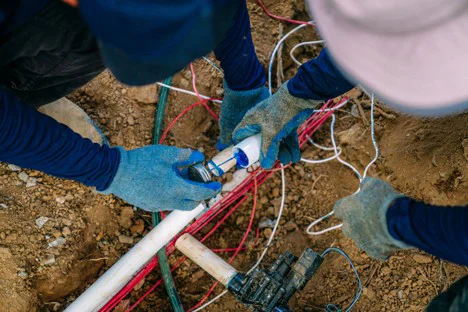
- Your water usage has increased noticeably without a clear reason. A professional inspection can identify leaks, valve issues, and pressure problems that are not visible during a standard walkthrough.
- Multiple heads or zones are underperforming simultaneously. Isolated head failures are common, but widespread performance issues across zones typically point to a systemic problem with pressure, the mainline, or the controller.
- You have not had the system professionally evaluated since startup. A mid-season check gives you a clear picture of how the system is holding up under summer demand and what, if anything, needs attention before the back half of the season.
For commercial properties managing irrigation across large sites, mid-season evaluations are particularly valuable. Performance issues that go unaddressed in summer often become more serious and more expensive by the time the season ends.
The Benefits of Professional Mid-Season Inspections
Summer puts more demand on an irrigation system than any other time of year, and the properties that come out of the season in the best shape are usually the ones that stayed proactive rather than waiting for something to fail.
Whether you need a mid-season inspection, schedule adjustments, repairs, or a smart controller upgrade, Conserva Irrigation provides comprehensive irrigation services for residential and commercial properties.
Call (804) 353-6999 or find a location to schedule a summer irrigation evaluation with Conserva Irrigation and ensure your system is keeping up with the season.

.jpg.2607091646182.webp)

