

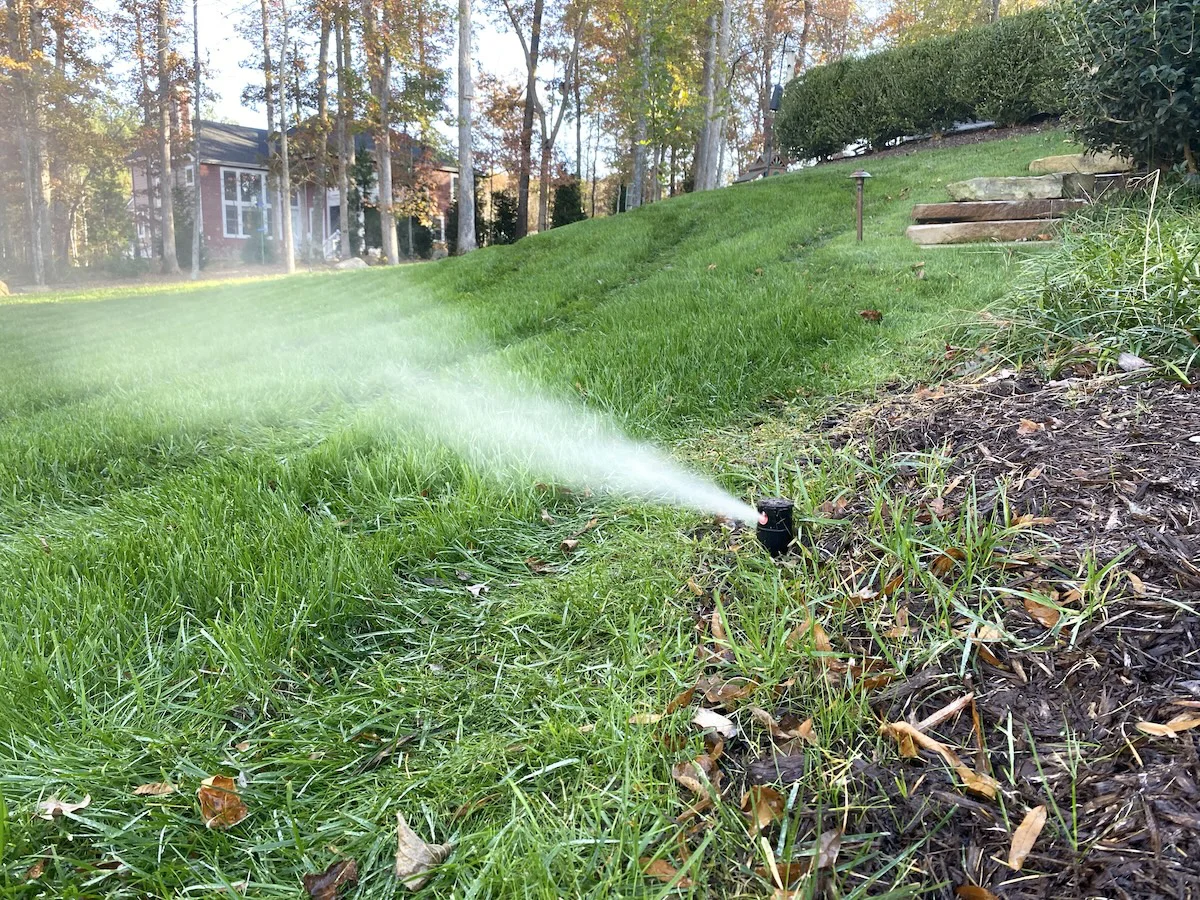
Every fall, homeowners across Rochester, Mankato, Waseca, and surrounding communities face the task of winterizing their irrigation systems. A DIY approach can save money initially, but if the blowout isn't thorough, your irrigation system can be damaged. With freezing temperatures on the way, the real goal is to remove enough water to help prevent expensive damage over winter. Here's how the two options compare.
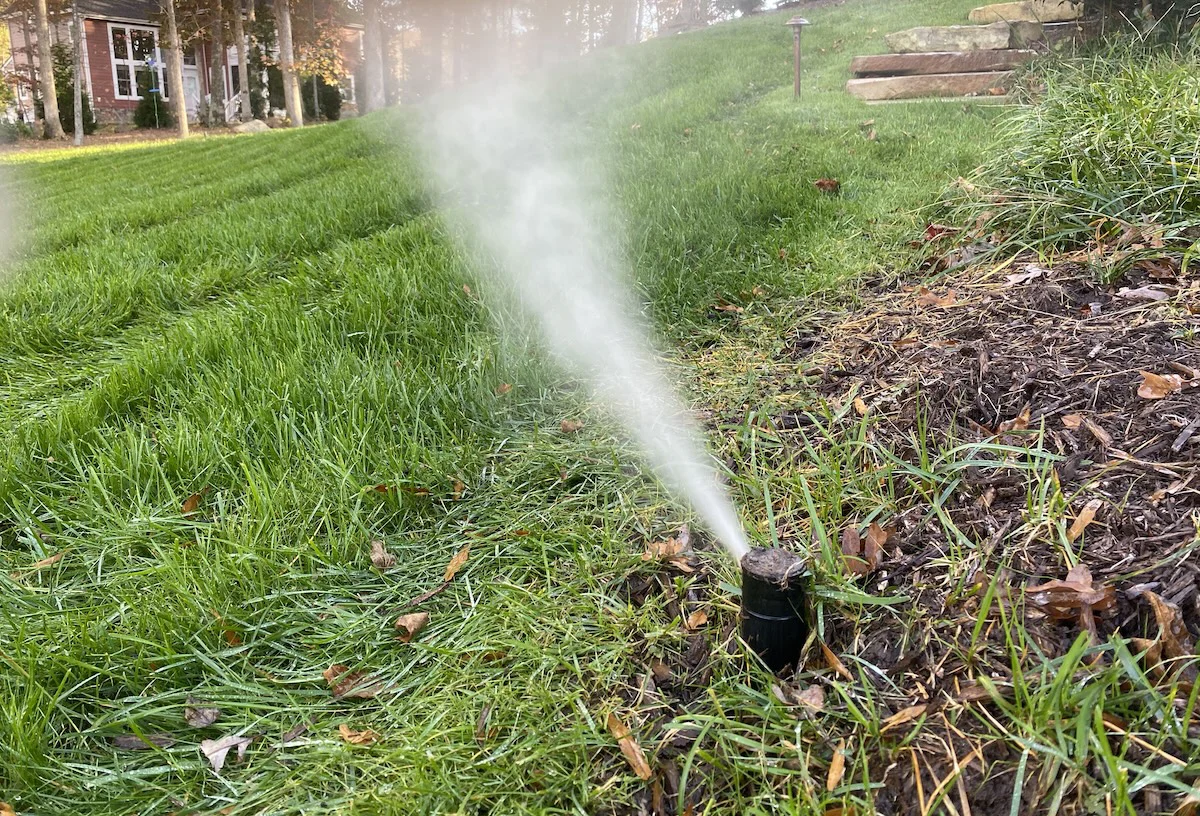
What Does a Sprinkler Blowout Actually Do?
Turning off the water supply doesn't empty an irrigation system. Water can remain in underground lines, valves, sprinkler heads, and other components after the last watering cycle.
A blowout involves using compressed air to push the remaining water out through the sprinklers. When done correctly, it lowers the risk of water left behind freezing. If water does freeze in the system, any expansion risks cracking irrigation components.
DIY Sprinkler Blowout: The Appeal and the Challenges
For most people, the biggest attraction of DIY winterization is avoiding a service appointment. Schedules are busy and approaching holidays can overwhelm families quickly. If you're familiar with your system and have the appropriate equipment, it's tempting to complete a system blowout yourself.
The risk is in the available compressors homeowners have. Most air compressors the average resident has aren't designed for a full system blowout because air volume matters as much as air pressure. Too small a tank, and you have to repeatedly let the tank refill, only doing small sections at a time.
Professional Sprinkler Blowout: Equipment and Experience
Conserva technicians use equipment that has been specifically designed to deliver the appropriate amount of airflow for winterization. Without the knowledge of how it should work and what components your system is made of. It's possible to damage pipes, valves, and even sprinkler heads with too much pressure. Our team understands how to work through different zones and layouts efficiently and can often complete a residential sprinkler blowout in about 30 minutes.
Which Option Actually Costs Less?
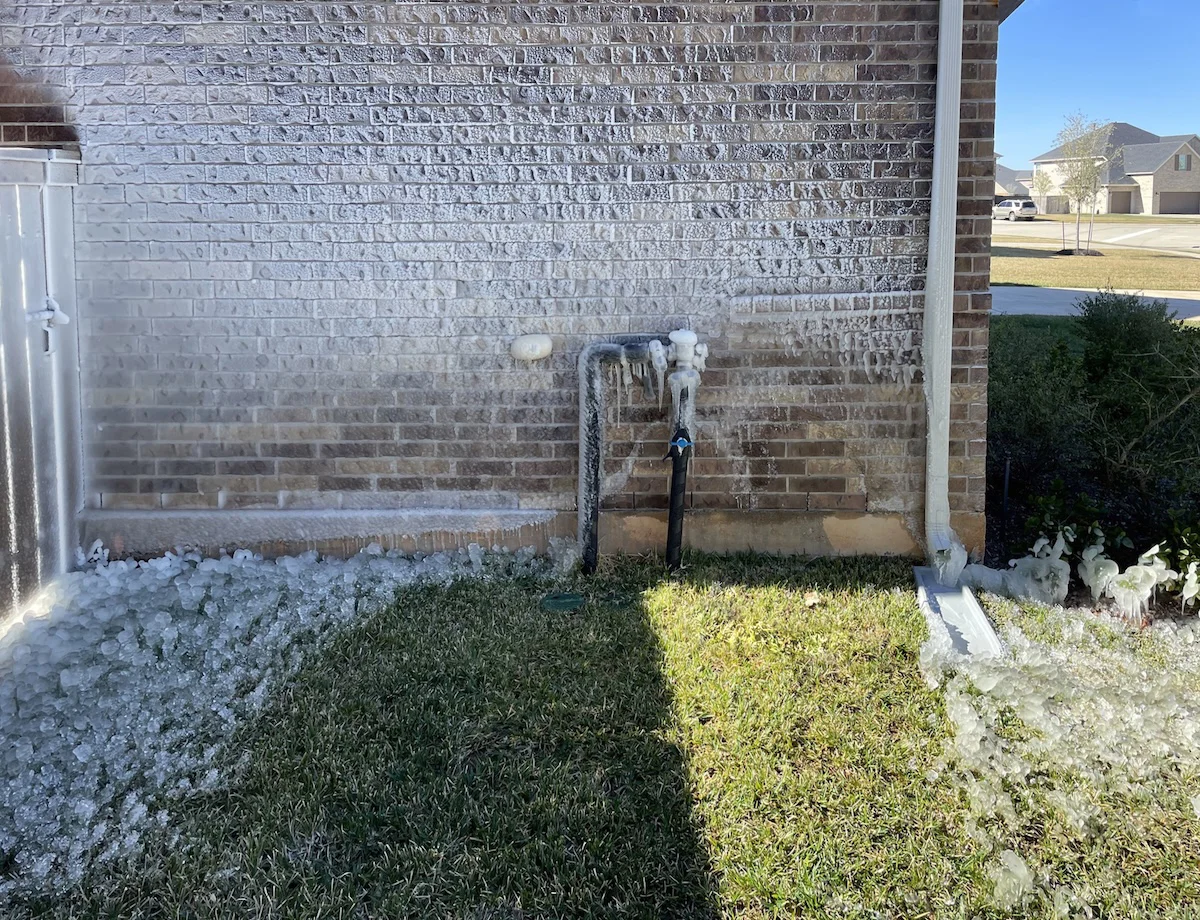
If you don't have a large enough compressor, the cost of renting one, the attachments, and the risk of water left behind can all end up costing a lot more than you expect. Frozen irrigation components can mean cracked backflow preventers, damaged valves, broken sprinkler heads, or split pipes. Repairing or replacing those parts can cost dramatically more than a professional winterization visit.
When Should Southern Minnesota Homeowners Schedule?
Don't wait until the first hard freeze is in the forecast; our fall appointments fill up quickly, and winterizing before the first freeze is important. Schedule your sprinkler blowout with Conserva to preserve your Southern Minnesota irrigation.
