

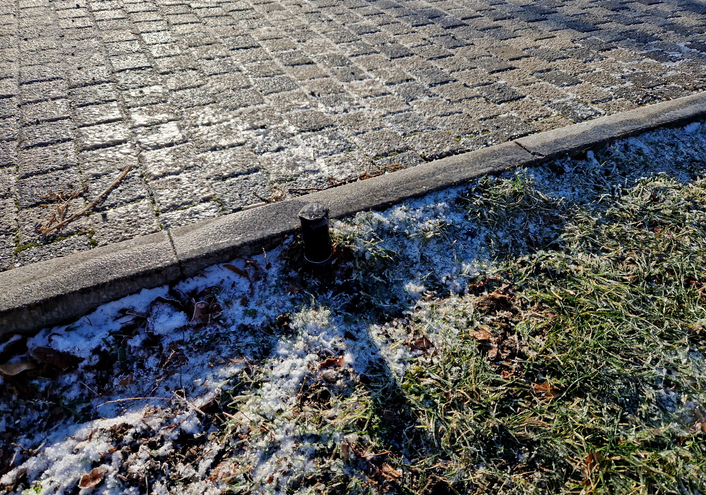
Colder months can be tough on homes, and the hidden plumbing just beneath your lawn is no exception. If you’ve invested in an irrigation system for your property, you want it to last through many growing seasons. That means preparing it for winter’s chill, so frozen water doesn’t cause splits, cracks, and costly fixes come spring.
This guide breaks down irrigation winterization step-by-step, answering when, why, and how to winterize your sprinkler system (and yes, especially the backflow device).
Why Is Irrigation Winterization Essential?
Once outdoor temperatures drop near freezing, any water left in your sprinkler pipes, valves, or backflow device can expand into ice. That expansion often busts open the pipes or fittings, and even a tiny ice plug can crack plastic or brass. A damaged irrigation system can add up to hundreds or thousands in repairs and wasted water.
A little effort before winter goes a long way, resulting in:
- Preventing freeze damage to pipes and sprinkler heads
- Protecting the integrity of your backflow preventer (key for safe drinking water)
- Avoiding spring leaks or water pressure issues
- Extending the overall lifespan of your investment
When Should You Winterize Your Sprinkler System?
Time it ahead of the first hard freeze in your area. In many colder U.S. regions, that means acting in October or early November. Check forecasts, and watch for nights expected to dip below 32°F (0°C) for best timing.
Pro Tip: If you notice patches of frost on rooftops or cars, it’s time to get moving on irrigation system maintenance for the season.
Step-by-Step Guide to Winterizing Your Irrigation System
Follow these clear steps to help avoid freezing disasters and keep your lawn irrigation ready for spring.
1. Shut Off the Water Supply
- Locate your irrigation system’s main shut-off valve (often near where the system branches off from your house).
- Turn it off securely to prevent new water from entering during winter.
For added freeze protection, wrap the shut-off valve in insulation or foam tape.
2. Turn Off and Adjust the Controller
- Switch your irrigation controller (timer) to “off” or “rain mode.” This keeps your settings safe while preventing accidental activation over winter.
- If your system uses a pump, disconnect the controller wires to avoid damage.
3. Protect the Backflow Preventer
- The backflow preventer—a critical safety device—keeps your drinking water separate from your lawn irrigation water.
- If possible, disconnect and store your backflow preventer indoors.
- If it can’t be removed, drain all water from the backflow using the test cocks and leave the shut-off valves at a 45-degree angle (not fully open or closed). Insulate exposed parts well to prevent freezing.
- Never just wrap a backflow device without draining it, especially if you don’t have an isolation valve—this can trap water inside and lead to damage.
4. Drain the Irrigation System (The Blow-Out Method)
Even after turning off the water, water lingers inside pipes and sprinkler heads. The most reliable way to clear it is with the blow-out method.
To do this, you can:
- Rent or use an air compressor (never exceed 50 PSI for residential systems).
- Attach it to the system’s blow-out port, typically near the backflow preventer or at the start of the mainline.
- Starting with the zone farthest from the compressor, open one zone valve at a time and blow air until only mist comes out of the sprinklers.
- Continue zone by zone, letting air run until no water comes out.
- Shut off the compressor after finishing all zones.
- Always wear eye protection and follow the manufacturer’s guidelines.
Some systems offer manual or automatic drain valves. If so, follow the manufacturer's instructions for draining as recommended.
5. Insulate All Above-Ground Components
- Cover any exposed pipes, valves, and sprinkler heads with insulation sleeves, tape, or insulating covers to protect them from cold snaps.
6. Inspect for Repairs
- Walk your property and look for broken or damaged parts on your irrigation lines or sprinkler heads.
- Schedule repairs before winter if you spot anything. Leaving broken parts in place can cause more issues when things thaw out.
Special Focus: Backflow Preventer Care
If your irrigation system has a backflow preventer, it’s especially vulnerable to freezing and bursting. Always be sure it’s either cleared out with air, drained using its valves, or fully insulated. Forgetting this step can risk expensive device replacement and potential contamination of your home’s water supply.
What Happens If You Don’t Winterize?
Neglecting irrigation winterization leaves you open to a host of problems, including:
- Split pipes
- Burst sprinkler heads
- Damaged backflow devices
- Higher repair bills in spring
- Lengthy delays in lawn watering start-up
In severe cases, ignoring winterization tasks for your irrigation system can result in a break in the main supply line, potentially flooding your yard or basement.
DIY Irrigation Winterization Vs. Professional Support
Homeowners often see DIY irrigation winterization as a cost-saving project. Doing it yourself means having control over the timing, learning new skills, and potentially saving money—if you already own or can rent the right compressor for a reasonable price. For those comfortable with basic tools and diligent with instructions, tackling basic blow-outs might be manageable for smaller, simple yard systems.
However, there are substantial risks to weigh. Missing a single step—especially leaving a pocket of water in a low point or inside the backflow preventer—can lead to costly freeze damage that only shows up when the weather warms. DIYers risk using too much or too little compressor pressure, which can either damage sprinklers or leave water behind, both of which can spell trouble by spring. Complex or multi-zone systems quickly become far more challenging to clear out properly without experience and commercial-grade equipment.
Professional irrigation technicians, by contrast, bring experience and the right tools to ensure that every part of the system—pipes, valves, sprinkler heads, and especially the backflow device—is fully cleared and winterized. They follow a thorough checklist and can spot potential problems while they work, letting homeowners address hidden repairs before they become major issues. Many companies, like Conserva Irrigation, stand by their work with a guarantee, and professional service can often keep your system’s warranty valid. This also offers convenience—scheduling a winterization visit means your entire system is prepped in one visit, with no guesswork or trips to the rental shop.
Do Drip Irrigation Systems Need Winterizing?
Yes, drip irrigation systems do need winterizing—even though they operate at lower pressure and use smaller tubing than traditional sprinkler systems. Water left inside the drip lines, emitters, or fittings can freeze as temperatures drop, causing damage that may not be visible until spring.
Here’s why winterizing your drip system matters and how it typically works:
- Water in the lines can freeze and expand, which may crack fittings, connectors, and emitters even if the main tubing holds up. While poly tubing is somewhat flexible and can tolerate brief freezes, water trapped in small parts risks breaking delicate components.
- Drip systems often have parts like timers, filters, and pressure regulators that connect at the water source. These should be disconnected, drained, and stored indoors to protect them from frost damage and corrosion.
- Drainage is key. Open end caps and manual valves along your drip lines to let water fully drain out. Walking your lines and slightly lifting or tilting fittings in low spots helps water escape and prevents pockets of trapped moisture.
- Many drip irrigation setups have flush valves or automatic drain valves near the lowest points, which aid in eliminating standing water every time the system turns off. These are especially helpful for winter drainage.
- Use the blow-out method on drip irrigation lines to clear remaining water. This requires caution to avoid damage: end fittings should be removed before blowing air through the system, and air pressure should remain low (typically under 30-50 PSI) to prevent pipe or emitter damage.
- After draining, it’s important to replace end caps loosely to keep debris and insects out during winter, but still allow any residual water to drain out naturally.
- Insulating any exposed above-ground tubing, valves, and connection points can provide extra protection.
Proper winter care of drip systems can be quite straightforward—most homeowners can complete this in under an hour once they know the steps. Preparing your drip irrigation system prevents costly freeze damage and supports healthy plant growth when the watering season returns.
Get Lasting Protection for Your Yard Today
Prepping your irrigation system for winter isn’t just a chore; it’s smart protection for your landscape investment. With the right timing, proper steps, and attention to vulnerable spots like the backflow device, you’ll save yourself the headaches (and costs) of springtime repairs. Regular irrigation system maintenance preserves your system and promotes a healthy, lush landscape year-round.
Find your location and contact us to schedule your irrigation winterization today.