

A well-maintained sprinkler system should keep your lawn healthy without wasting water. Unfortunately, many systems quietly lose thousands of gallons each year due to small issues that often go unnoticed. With rising water costs and increasing conservation efforts, identifying the warning signs early can save both water and money.
Below are the most common signs your sprinkler system may be wasting water—and what they usually mean.
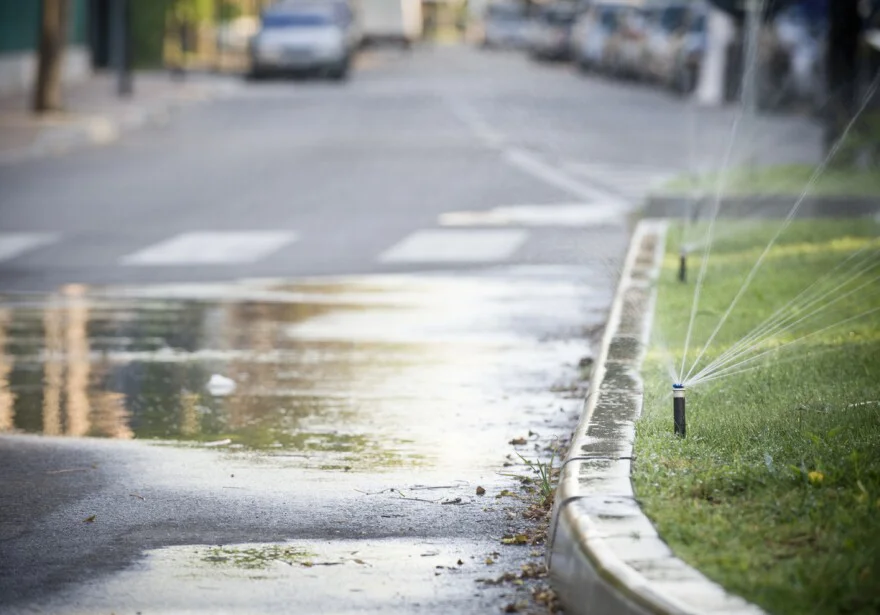
1. Water Runs onto Sidewalks, Driveways, or the Street
If your sprinklers are soaking concrete instead of grass, water is being wasted. Runoff typically happens when sprinkler heads are misaligned, spray too far, or when the system runs longer than the soil can absorb.
This kind of waste not only increases your water bill but can also cause erosion and damage hardscapes.
2. Uneven Lawn Coverage or Patchy Grass
A lawn with soggy areas alongside dry or brown patches often indicates poor water distribution. Some zones may be overwatering while others are underwatered, stressing your turf and plants.
Common causes include clogged nozzles, broken sprinkler heads, or outdated system designs that no longer match your landscape.
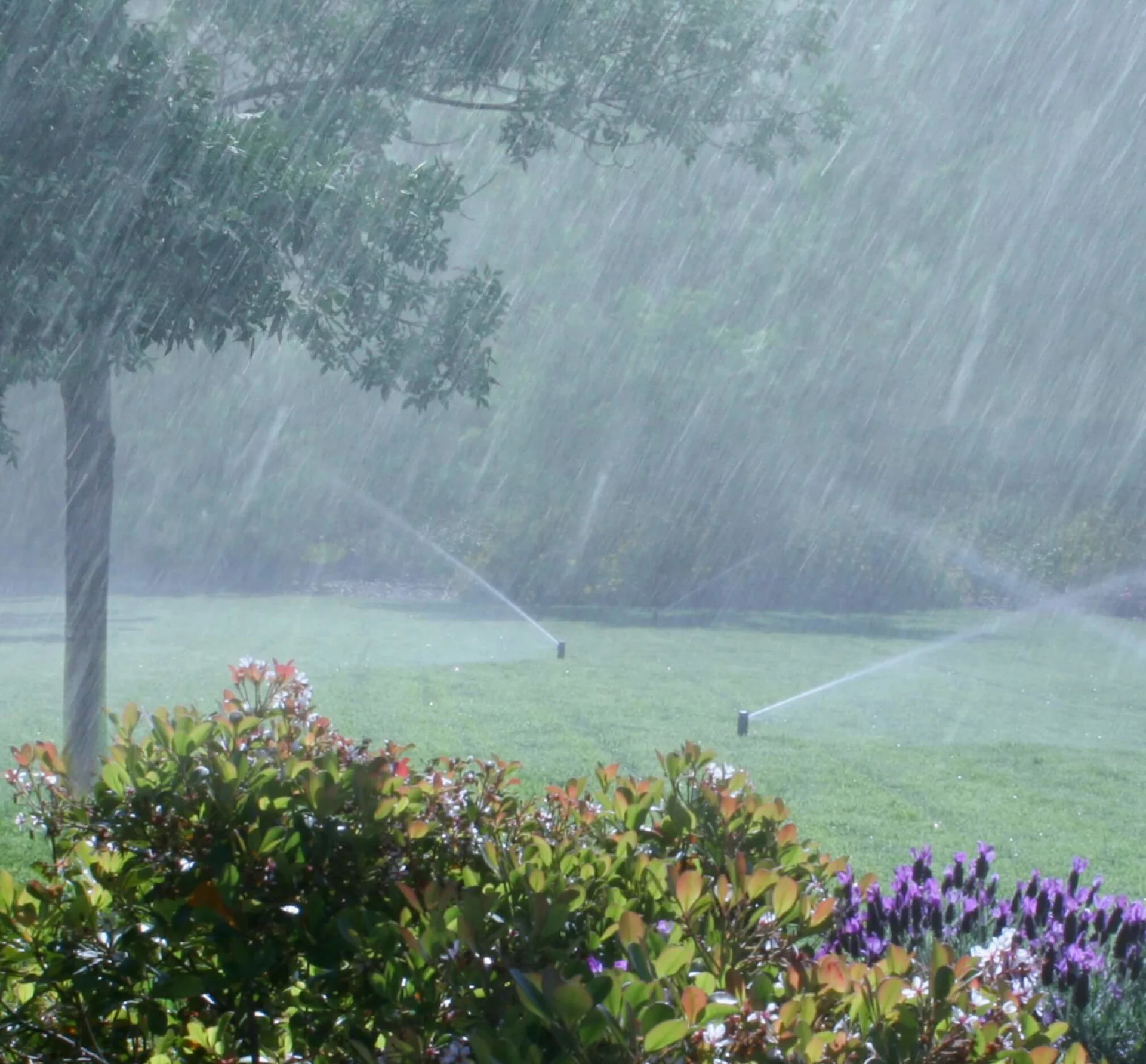
3. Sprinklers Run During or After Rainfall
If your system turns on right after a rainstorm, it’s a clear sign that it isn’t responding to real weather conditions. This is one of the most preventable forms of water waste.
Modern systems can pause watering automatically when rain is detected, but older controllers rely on fixed schedules that don’t adjust for changing conditions.
4. Unusually High Water Bills
A sudden increase in your water bill—without changes in household usage—often points to an irrigation problem. Underground leaks, cracked pipes, or malfunctioning valves can waste large amounts of water without visible signs on the surface.
If your bill continues to rise, your sprinkler system should be one of the first things you inspect.
5. Sprinkler Heads Spray Mist or Shoot Water Upward
Sprinkler heads that produce a fine mist or shoot water straight into the air are usually experiencing pressure problems or physical damage. In hot, windy conditions, mist evaporates before it ever reaches the soil.
This means your lawn gets less water, while you pay for more.
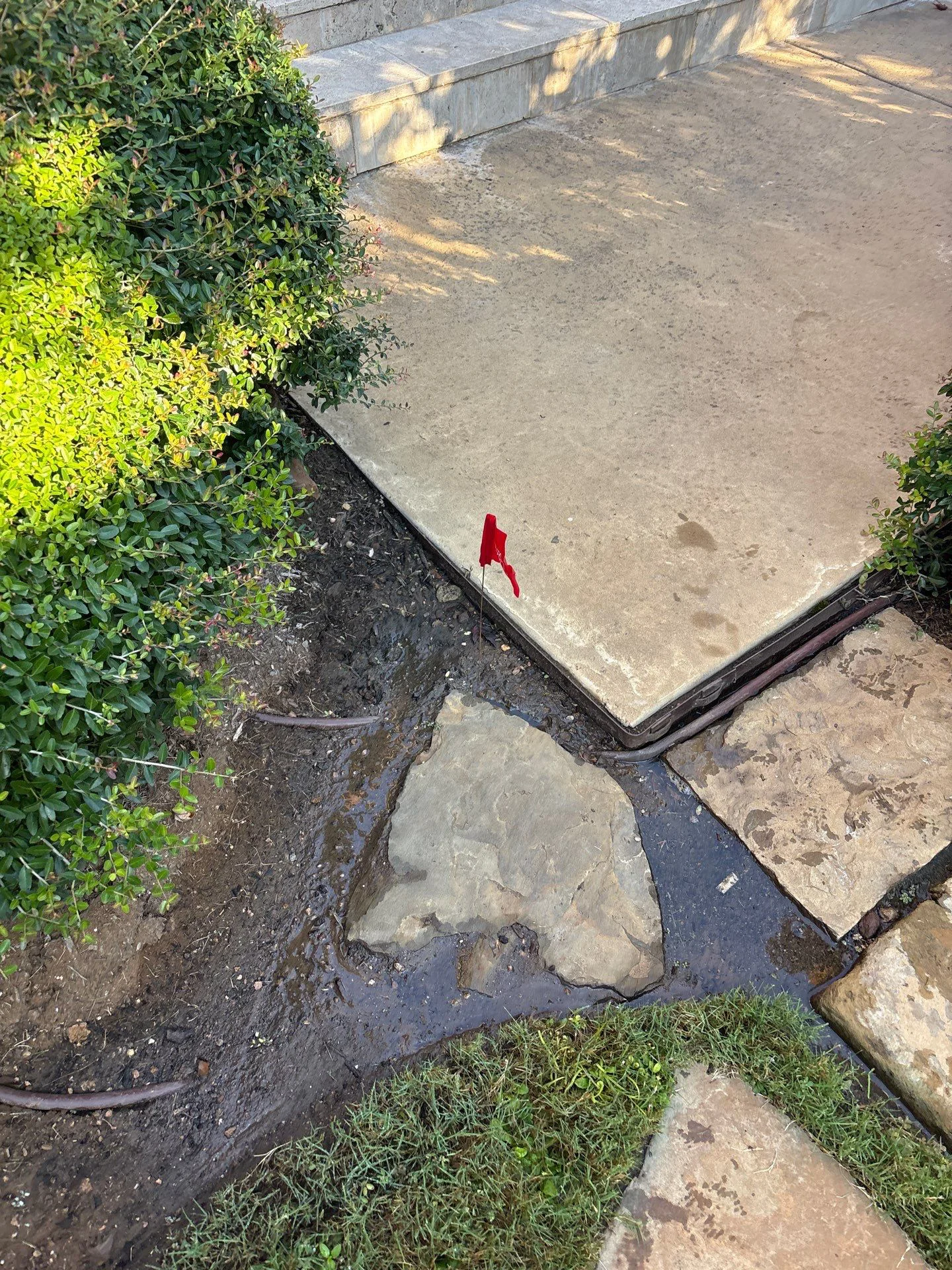
6. Overly Wet Soil or Standing Water
Soil that remains constantly wet or puddles after irrigation indicate overwatering or drainage issues. This wastes water and can lead to root rot, fungus, and unhealthy turf.
Healthy lawns need deep, efficient watering—not constant saturation.
Why Addressing Water Waste Matters
Wasting water doesn’t just affect your utility bill. It can damage your landscape, strain local water supplies, and shorten the lifespan of your irrigation system. Regular inspections, proper adjustments, and timely repairs can dramatically improve efficiency.
If you notice any of these signs, it may be time for a system tune-up or professional evaluation.
