
Most winter days around Lake Norman are mild. That's exactly why people get caught off guard. It only takes one or two hard freezes to crack a backflow preventer or split a line, and those repairs cost a lot more in spring than a little attention costs now.

Before you schedule sprinkler winterization, walk through this list.
1. Run Every Zone and Watch It
Turn each zone on from the controller and walk the yard while it runs. You're looking for heads that stay down, spray sideways, or soak the driveway instead of the grass. Stick a flag next to anything that looks off. Catch it now and it's one service visit. Miss it and you'll find out in April when a brown patch shows up.
2. Look for Leaks
Some leaks are obvious. Others hide. Watch for soggy spots that stay wet days after watering, standing water in a valve box, or a head that keeps dripping after its zone shuts off. A water bill that jumped for no reason is another clue.
Here's why this matters before winter: water sitting in a cracked pipe expands when it freezes. A slow leak in October can be a broken line by February. If you find one, get it handled through irrigation repair before the system gets shut down.
3. Cut Back Your Watering Schedule
Your lawn doesn't need July watering in October. Bermuda and zoysia are slowing down for dormancy, so shorten run times as the weeks get cooler.
Fescue is different. If you overseeded this fall, the new seed needs short, frequent cycles until it takes hold. Once it fills in, switch to deeper watering spread further apart.
We're also coming off the area's worst drought in two decades, so check your town's watering rules before setting anything new. A smart irrigation controller like the Hunter Hydrawise handles this for you by adjusting to local weather, so you're not watering through a cold, rainy week.
4. Test Your Rain and Freeze Sensors
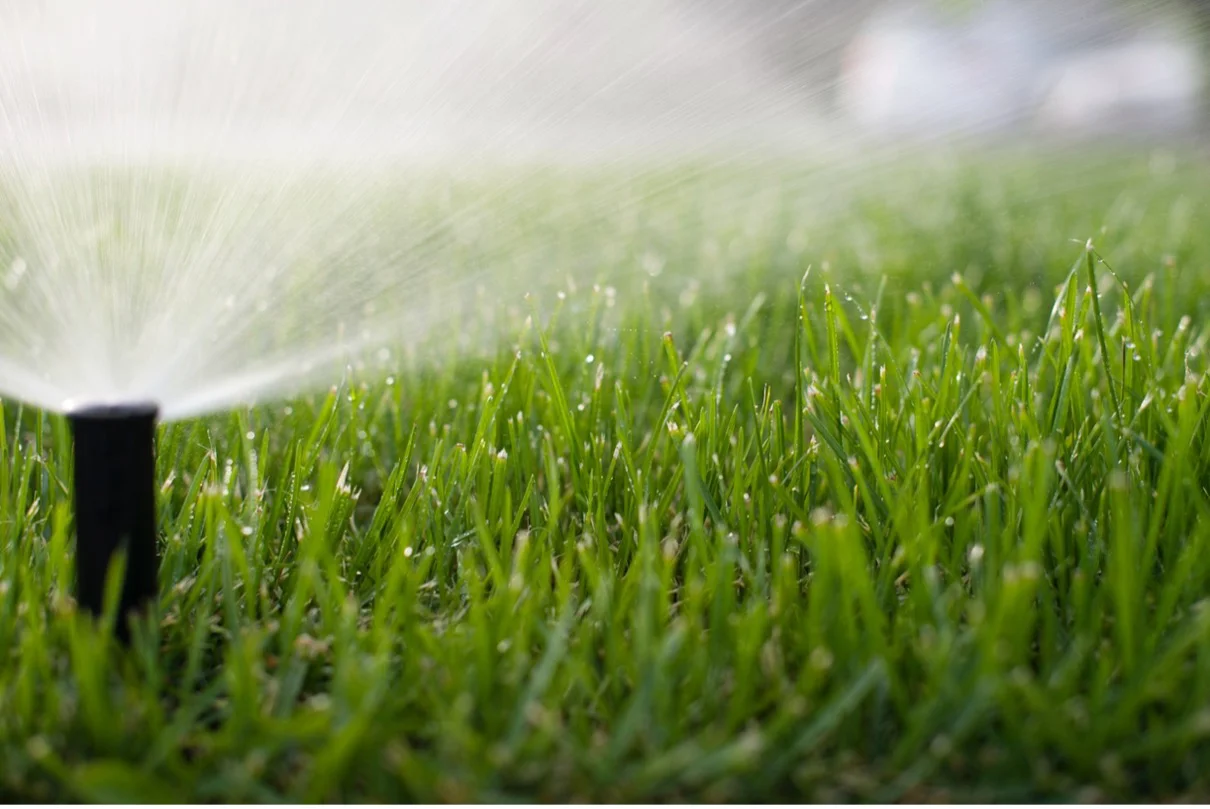
A freeze sensor keeps your system from running when temperatures drop near 32 degrees. Without one, a 6 a.m. cycle on a cold morning can leave ice all over your walkway. Test both sensors, look over the wiring, and brush off any leaves sitting on top.
5. Check the Backflow Preventer
This is the part of your system most likely to freeze, since it sits above ground. Look for cracks, drips around the test cocks, and insulation that's worn or missing. Get an insulated cover on it before the first cold snap. If it was installed poorly, it's harder to protect, so have us take a look if you're unsure.
6. Don't Forget the Pump
Plenty of homes around the lake pull irrigation water from Lake Norman, a pond, or a well. If yours does, inspect the pump housing, intake line, and check valve. Listen for the pump kicking on when no zone is running. That usually means pressure is escaping somewhere. Pumps aren't cheap, and fall is when you can still catch a problem while the system is running.
7. Clear Out Leaves and Debris
Pine straw, leaves, and mulch pile up around heads and inside valve boxes this time of year. Clean them out so heads can pop up and drop back down freely.
Planning to aerate or have trees trimmed? Flag your heads first. Aerators, mowers, and landscape crews break more sprinkler heads in fall than just about anything else.
8. Check Your Drip Zones
Drip irrigation runs under mulch, so it's easy to forget about. Pull the mulch back in a few spots and check for clogged emitters, loose tubing, or lines chewed by critters. Clean the filter while you're at it.
9. Update the Controller
Swap the backup battery, fix the date and time if a storm knocked your power out, and clear any summer programs you won't use again. If your controller has no weather adjustment, now's a good time to plan an upgrade so it's in place before spring.
10. Make Repairs First
Winterizing a system with a stuck valve or a dead zone leaves water trapped where it can't be cleared, and that trapped water is what freezes and breaks parts. Our No Freeze Damage Guarantee doesn't cover zones that won't run, valves that can't be found, or backflow devices that weren't built correctly. Fix those now and you're covered.
11. Book Your System’s Winterization Before the First Freeze
First frost in Mooresville, Cornelius, Huntersville, and the rest of the lake area usually lands somewhere between late October and mid-November. Schedules fill up fast once the temperature drops.
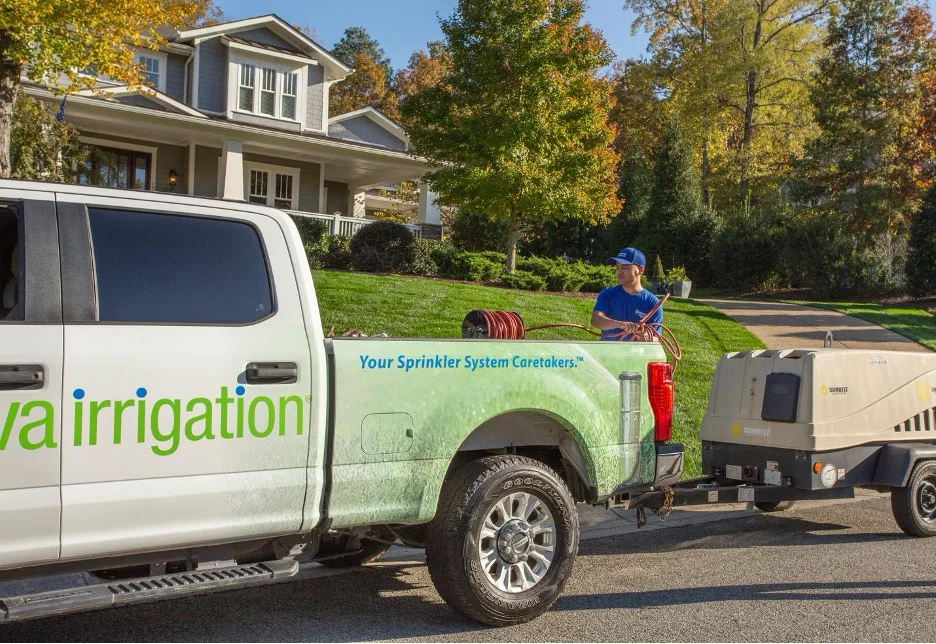
When we winterize your system, we shut off the water supply, clear the lines, power everything down, check the system's condition, and leave you a written report with any repairs we'd recommend. We'll winterize any brand, even if we didn't install it.
Want this off your plate every year? Our maintenance packages cover spring startup and winterization together. Nice 'N Easy starts at $325 a year with 10% off repairs. Full Season starts at $425 and adds a midseason inspection plus priority scheduling.
Ready for Winter?
Call Conserva Irrigation of Lake Norman at 704.960.1565 or request service online.
New to Conserva? Start with a free sprinkler system inspection so you know exactly where your system stands before the cold hits.