


Backflow Testing in Minneapolis
Backflow Prevention Testing to Protect Your Water
Backflow testing plays an important role in protecting drinking water for properties with irrigation systems. When a sprinkler system connects to the same water supply used inside a home or building, a properly functioning backflow device helps prevent contaminated water from flowing in the wrong direction. Fertilizers, soil, and other substances present in the landscape can pose a risk if that protective device fails. Regular testing helps confirm that the barrier between irrigation water and potable water is still doing its job.
At the beginning of the process, Conserva Irrigation of The Twin Cities focuses on irrigation systems and the devices designed to protect them. Many property owners simply want reassurance that testing is completed correctly and that results are explained clearly. Backflow testing supports both water safety and responsible system maintenance, especially in areas where irrigation systems are used seasonally and experience changes in pressure throughout the year.
Testing also helps identify small issues before they develop into larger problems. Internal seals, springs, and valves inside a backflow assembly can wear over time. A routine test confirms whether those components are still operating within acceptable ranges and provides documentation that the device has been checked.
Understanding Backflow Prevention and Why It Matters

-
Arrive on Time
A Conserva Licensed and Certified Backflow Tester will arrive at your house when scheduled and will introduce themselves to you. If this is their first time at your property they may need to be directed to the location of the backflow device.
-
Device Testing & Grading
The technician will test the backflow device for efficacy and make note of the results on the required backflow test form.
-
Analysis
If the device passes the test, you will be informed of such and the required paperwork will be filed, if applicable. If the device fails the test, you will be approached with options to remedy the device. If no action is taken, the device will be tagged with a failure notice and shut off.


-
1Free InspectionWe evaluate your current setup and create a System Efficiency Score to identify exactly what's working and what's wasting water.
-
2Fix the Urgent StuffOur experts fix critical issues first, prioritizing repairs that will have the biggest impact on water savings and system performance.
-
3Optimize PerformanceWe fine-tune sprinkler placement, adjust nozzles, and ensure even water distribution across your landscape for maximum efficiency.
-
4Upgrade TechnologyReplace outdated timers with intelligent controllers and sensors that reduce water usage by 40-60% while keeping your lawn healthy.
-
5Keep Things WorkingChoose from our maintenance plans to ensure your system stays efficient year after year, protecting your investment and savings.
-
 What's Your Water IQ?Water is one of the earth's most abundant resources, yet it's also one of the most precious and unfortunately, one of the most often wasted. To understand our passion for water conservation, consider these facts.
 -
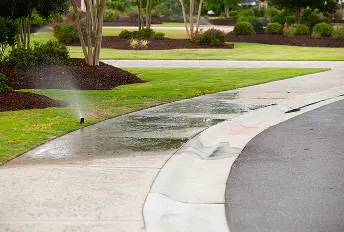 Products & PartnershipAt Conserva Irrigation®, we pride ourselves on offering the best irrigation and water conservation products available. That's why we're happy to partner with Toro and Hunter, the leaders in turf and landscape maintenance. We work together to bring you beautifully green lawns with less waste.
 -
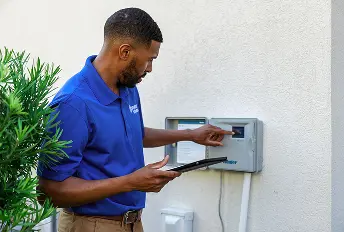 Hunter Hydrawise ControllerThe Hunter Hydrawise Wi-Fi Controller is the most advanced sprinkler system controller on the market. The Hydrawise controller uses real-time local weather data to automatically adjust your watering schedule, so your yard gets watered only when it's needed and never when it's not.