Here in North Texas, we cherish our beautiful lawns and landscapes, especially during those hot, dry summers. But while we're keeping our greenery vibrant, it's crucial to also protect our most important resource: our drinking water. That's where an irrigation backflow preventer comes in. This unassuming but vital device acts as a guardian, ensuring that water used for irrigation—which can contain fertilizers, pesticides, and other contaminants from your yard—never flows back into your clean, potable water supply. It's a non-negotiable component for the health and safety of your household water and also required by state and local laws.
Where You'll Find Your Backflow Preventer in North Texas
When it comes to backflow preventers in North Texas, you'll typically see them in a few key locations. These placements are designed for both effectiveness and accessibility for the required annual testing.
After the Main Water Shut-Off Valve: This is the most common spot. The backflow preventer is installed on the main line feeding your irrigation system, specifically after your home's main water shut-off valve, but before the water branches off to supply your sprinklers. This ensures all water heading to your irrigation system passes through the preventer first.
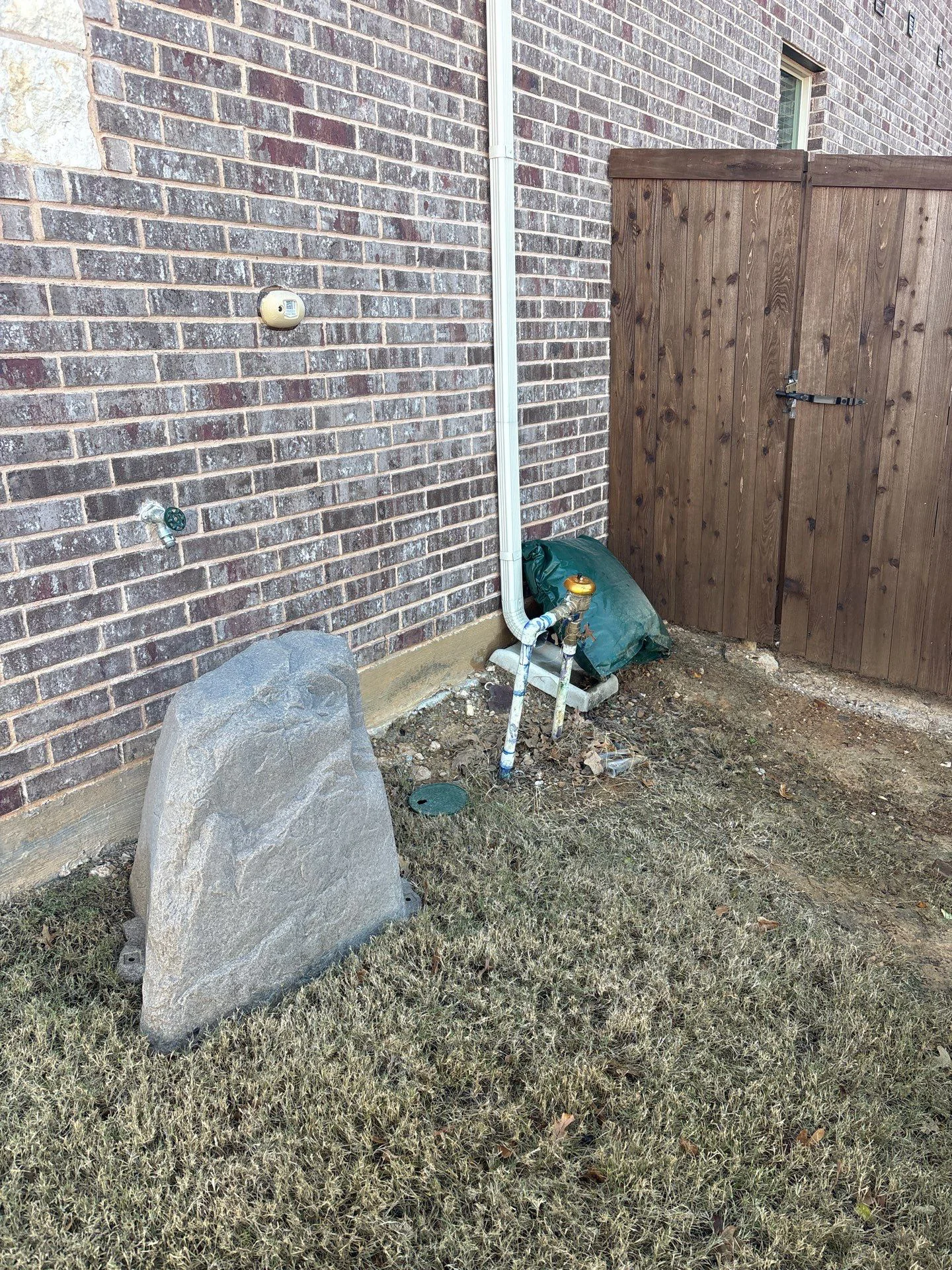
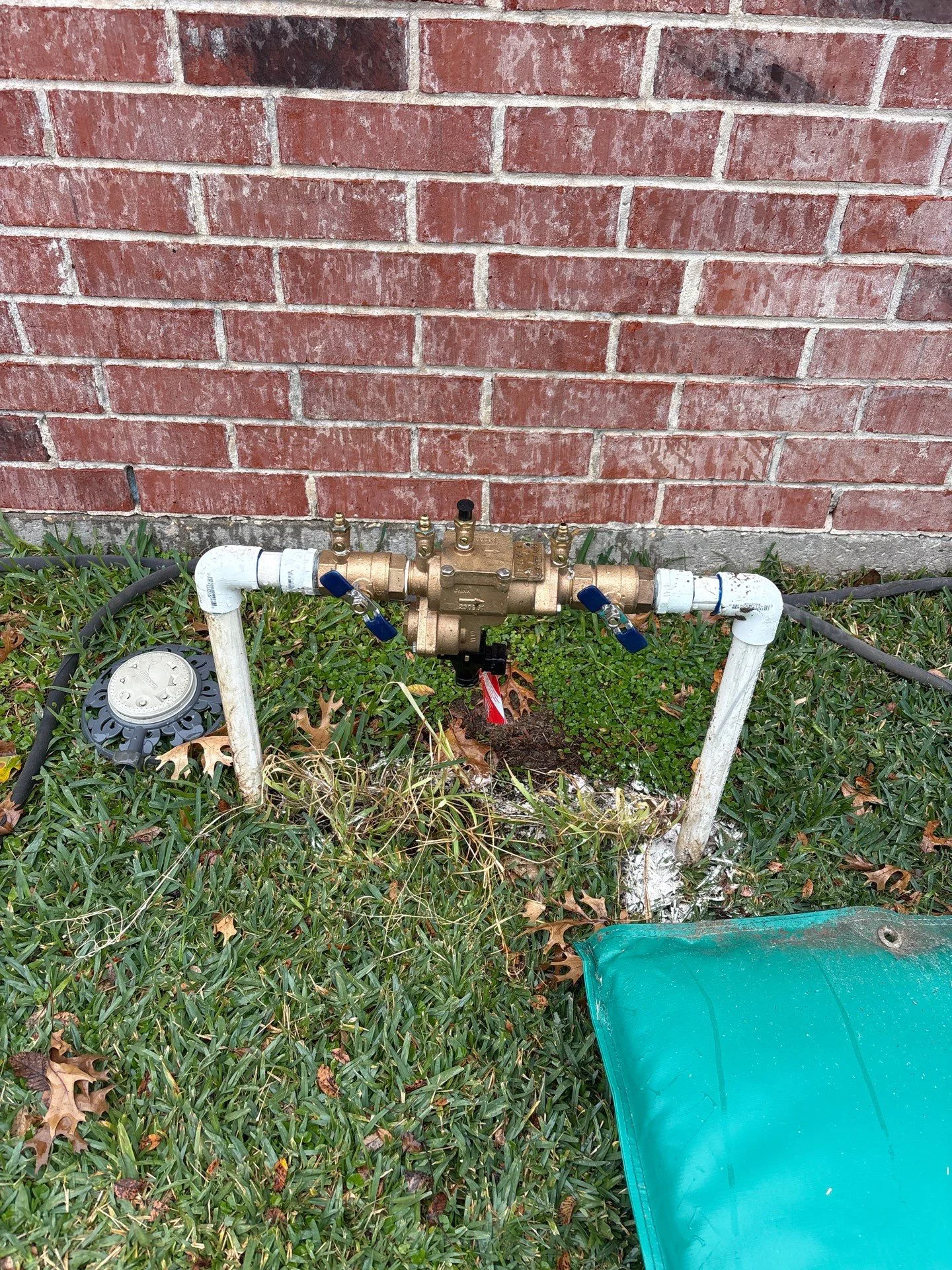
Above Ground and Visible: In North Texas, it's very common to see backflow preventers installed above ground. They are often located near the foundation of your home, close to where your main water line enters the house, or sometimes positioned in the front flower bed. This makes them easy for certified professionals, like those at Conserva Irrigation of North Texas, to access for their annual testing and winterization services.
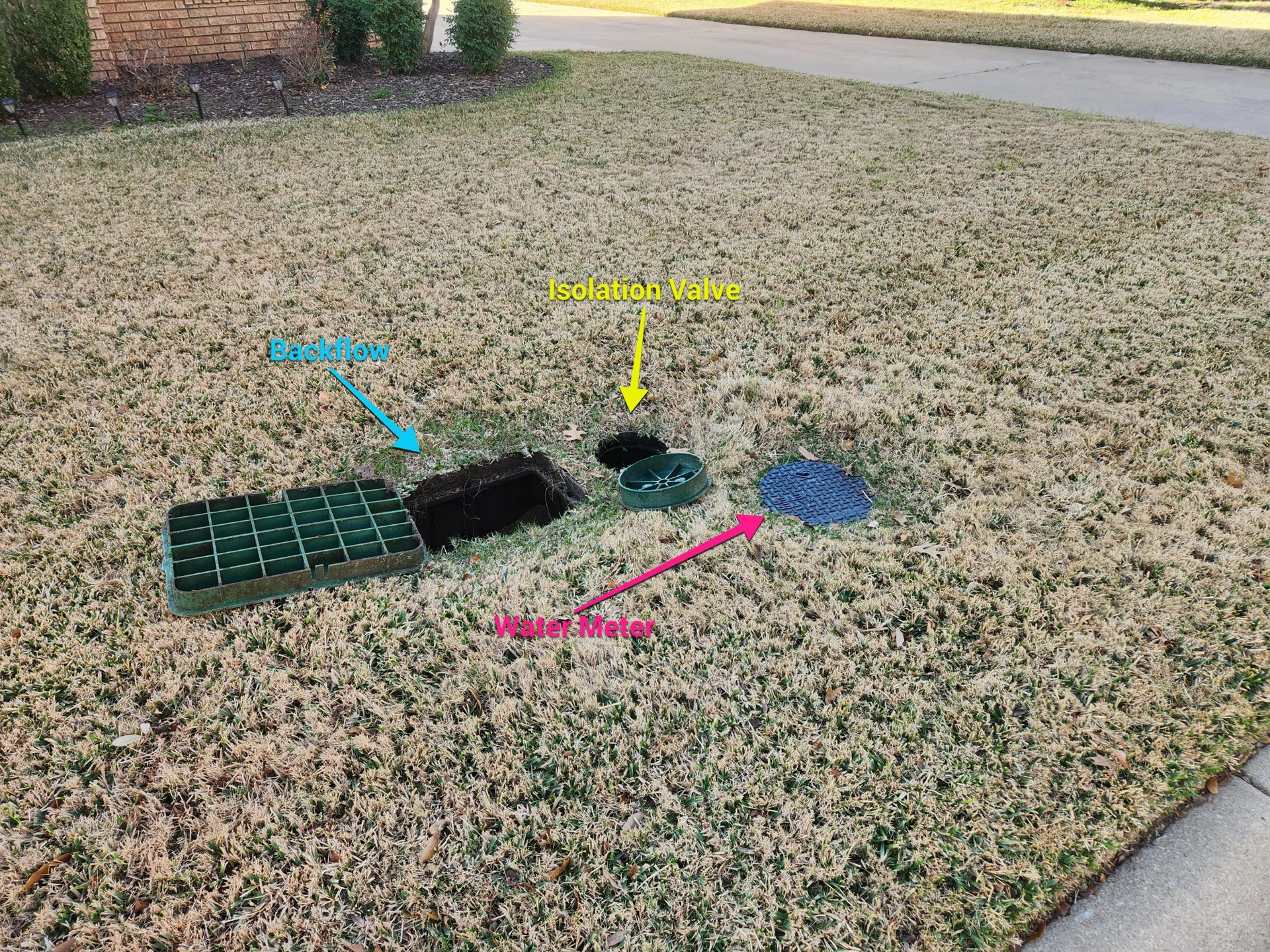
In a buried box: in many properties, especially where freezing is a concern, backflow preventers might be installed in an underground box. This protects them from the elements and helps prevent freezing. While less visible, they are still accessible for professional inspection if grass has not grown over the box. It is very important to keep all valve boxes in your yard clear of grass and dirt.
Near the irrigation manifold: In more complex systems, you might find the backflow preventer closer to the irrigation manifold, which is the central point where all your sprinkler zones connect. This ensures that all zones are protected.
Why is it Important?
State and local plumbing codes mandates the installation of backflow preventers for irrigation systems. This is not just a suggestion but a critical health and safety requirement. Without it, there's a risk of contaminated water reversing its flow direction and mixing with the potable water you use for drinking, cooking, and bathing. Regular inspection and testing by a certified professional are also typically required to ensure the device is functioning correctly.
In summary, an irrigation backflow preventer is a small but mighty device that plays a huge role in safeguarding your family's health. Knowing where it's located and ensuring it's properly maintained is an important part of responsible homeownership.