The Big Three: Understanding the Backflow Preventers Protecting Your North Texas Home
When it comes to your lawn, North Texas weather is anything but predictable. Whether we are facing a summer heatwave or a sudden winter freeze, your irrigation system needs to be reliable. But more importantly, it needs to be safe.
At Conserva Irrigation, we prioritize your family’s safety by ensuring your irrigation system is equipped with the proper backflow prevention. These devices are the only thing standing between your lawn’s "gray water" (filled with fertilizers, pesticides, and bacteria) and the clean water coming out of your kitchen faucet.
Here is a breakdown of the three main types of backflow preventers you’ll find in our neck of the woods.
1. Pressure Vacuum Breaker (PVB)
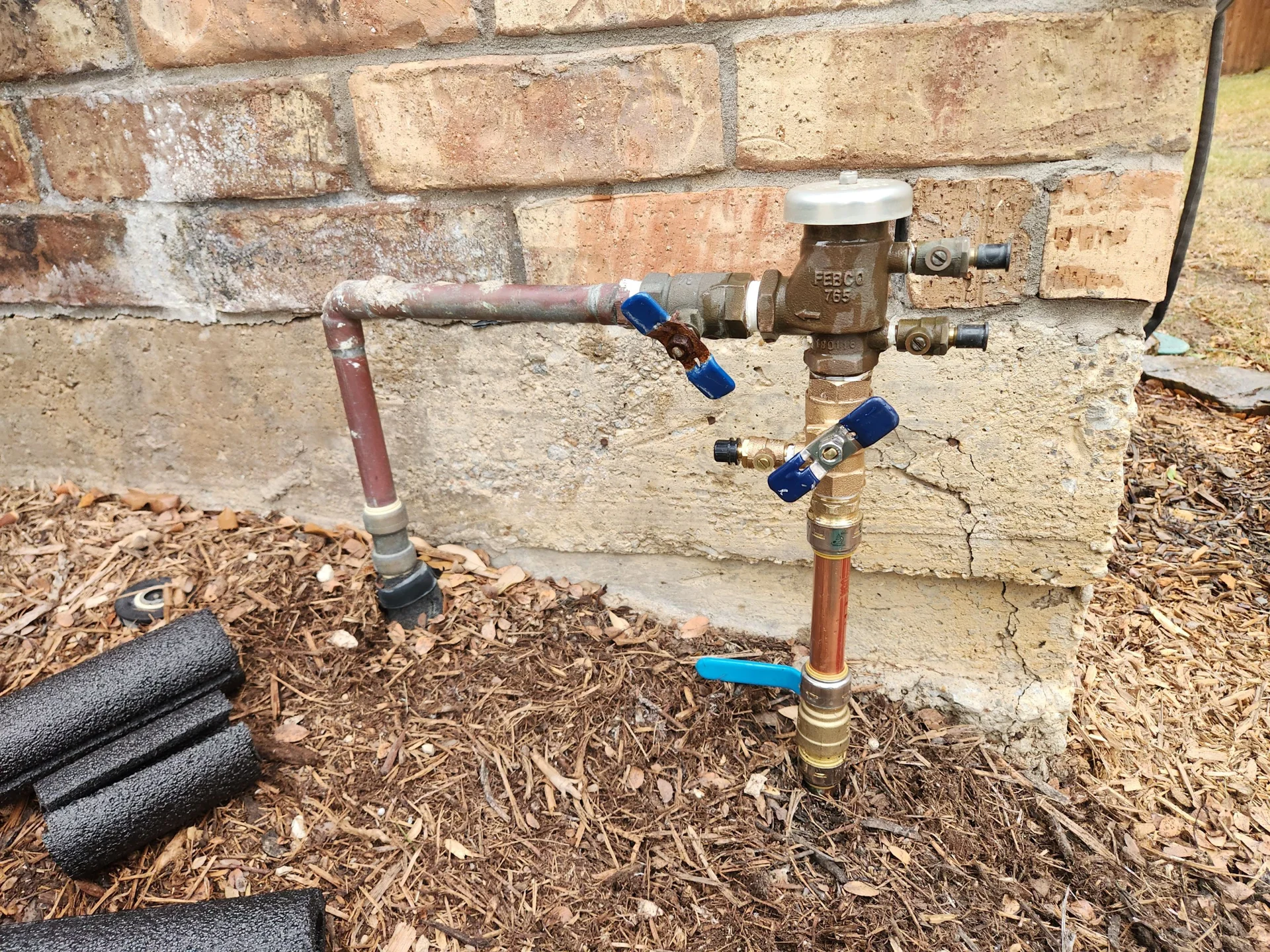
The PVB is a very common sight in residential North Texas neighborhoods. It is a bell-shaped device that sits above ground.
How it works: It uses a spring-loaded check valve and an air-inlet valve. If the water pressure in the city main drops suddenly, the air-inlet valve pops open to break the suction, preventing dirty water from being "siphoned" back into your home.
Key Requirement: It must be installed at least 12 inches higher than the highest sprinkler head in your yard.
Pro Tip: Because these are above ground, they are highly susceptible to freezing. Conserva Irrigation recommends professional winterization to prevent the internal poppets from cracking during a Texas freeze.
2. Double Check Assembly (DCA)
If you don't see a bell-shaped device above ground, you likely have a Double Check Assembly. In North Texas, these are frequently installed in an underground valve box near the water meter.
How it works: This device features two independent "check valves" acting in series. Think of them as two one-way doors. If the first door fails to close against backflow, the second door acts as a backup to keep your drinking water pure.
Why it's popular: Since they are often buried below the frost line, they are better protected from the occasional North Texas "Ice-pocalypse" compared to above-ground units.
The Catch: Because they are underground, they can be prone to flooding or debris buildup. Conserva Irrigation technicians are experts at locating and testing these hidden units to ensure they haven't become submerged or damaged over time.
3. Reduced Pressure Zone (RPZ) Assembly
The RPZ is the "heavy-duty" member of the backflow family. While less common in standard residential yards, they are mandatory for properties with high-hazard risks—such as those using well water, chemical injection systems, or specialized water features.
How it works: Like the Double Check, it has two valves, but it adds a third layer of protection: a hydraulic relief valve. If there is even a slight pressure change or valve failure, the RPZ will literally dump the "bad" water onto the ground through a discharge port rather than letting it back into your pipes.
Maintenance Note: Because the RPZ is designed to "fail-safe" by dumping water, it’s vital to have Conserva Irrigation inspect it if you notice constant dripping, as this usually indicates a seal issue or debris
Why Annual Testing is Non-Negotiable
In North Texas, most municipalities require backflow preventers to be tested annually. Why? Because these devices have internal springs, seals, and moving parts that eventually wear out. A backflow preventer that hasn't been tested is just a piece of brass—you have no way of knowing if it’s actually protecting you.
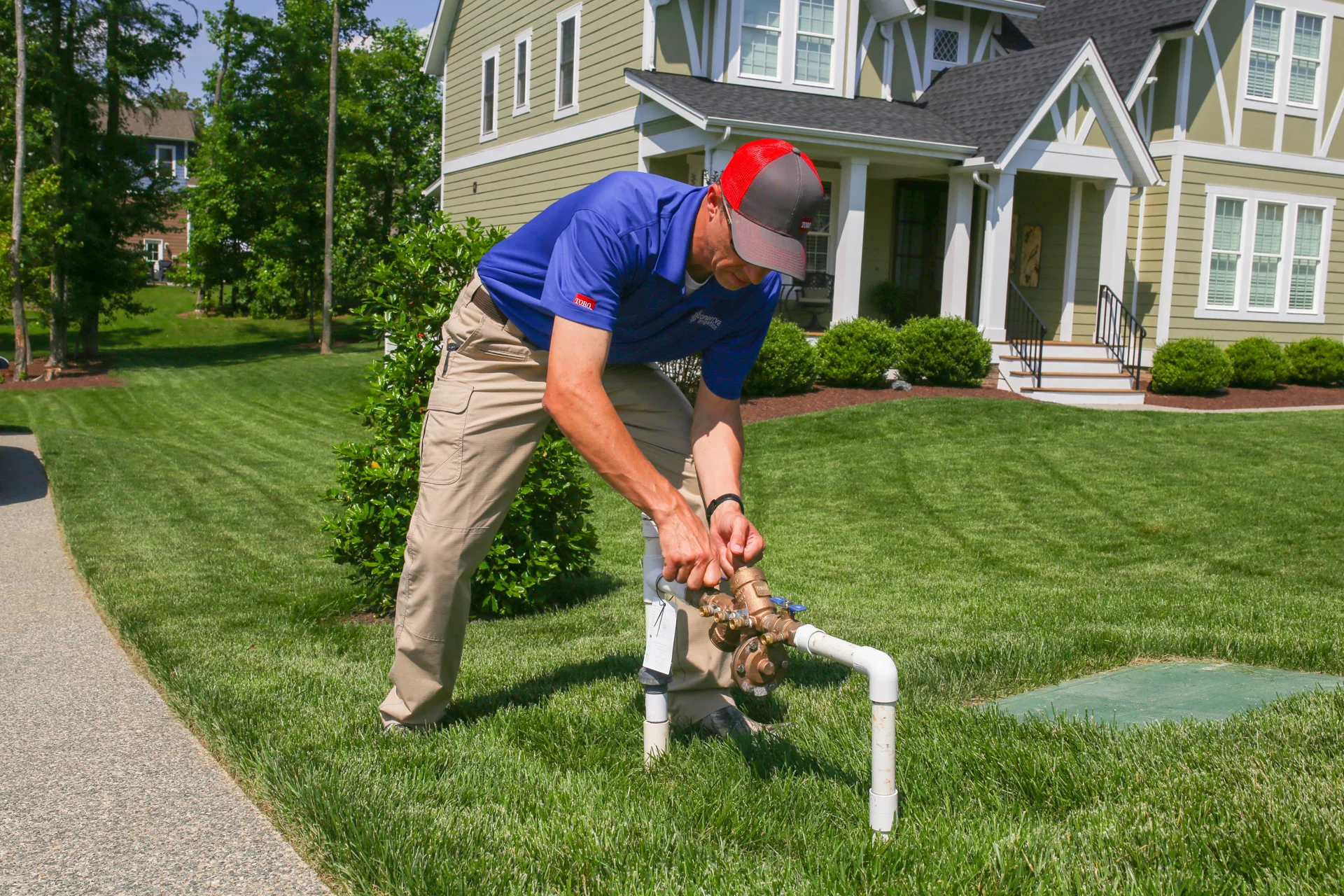
At Conserva Irrigation, we don't just look at your sprinklers; we look at the health of your entire water system. Our certified technicians handle the testing, documentation, and filing with your local water purveyor so you can rest easy knowing your water is safe.
Is your backflow due for its annual check-up? Give us a call at Conserva Irrigation today, and let’s make sure your North Texas home is protected!