

If you spend any time around the docks on Lake Norman in early November, you start to notice a pattern. Pontoons get pulled out and lifts get cranked up, and down at the end of the cove somebody is flushing an outboard with fresh water one last time before the cover goes on. Boat owners here have done it so many times they don't even think about it. None of them would let water sit in an engine block until spring.
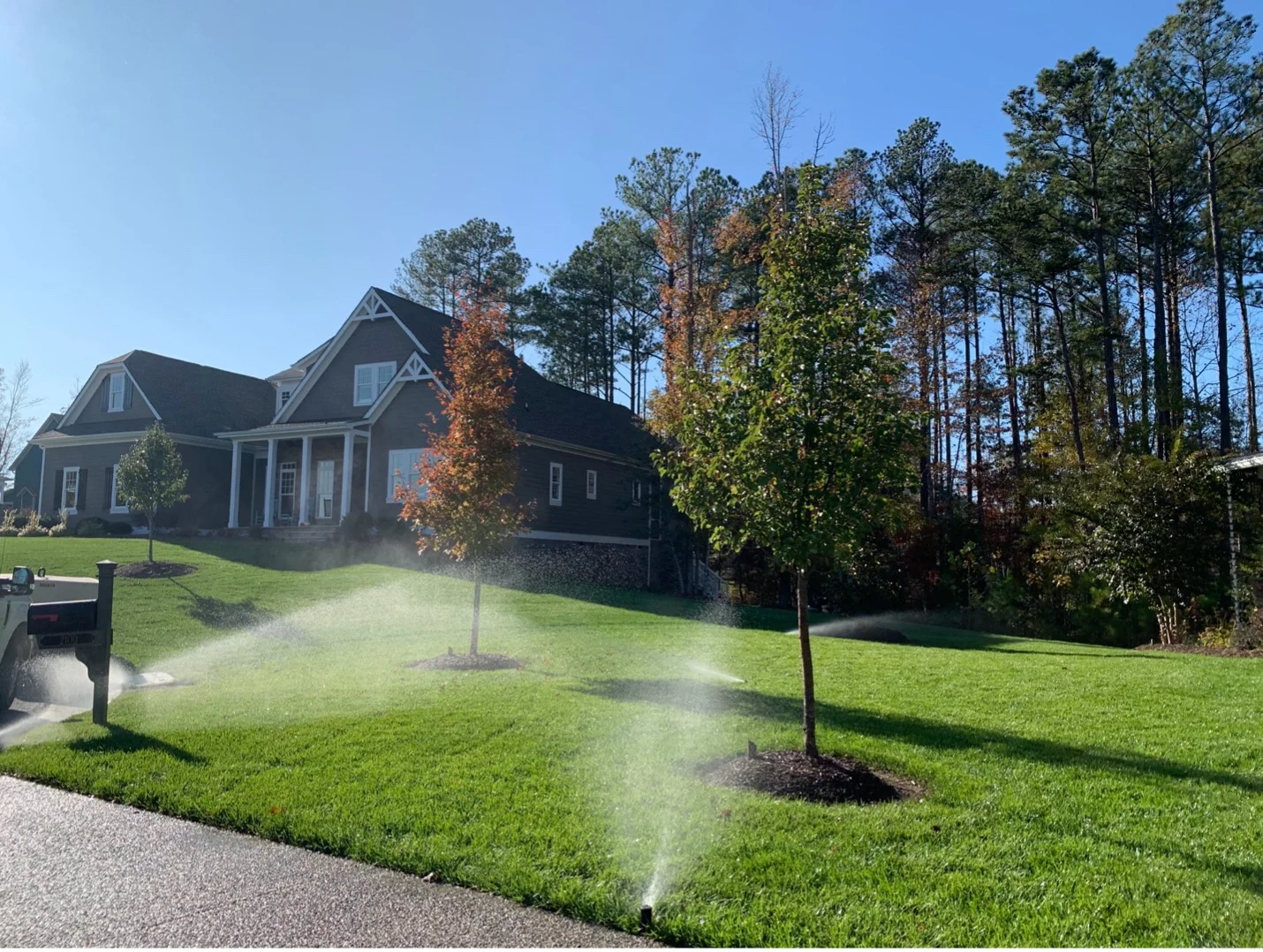
Now take a walk through a Mooresville neighborhood that same week. At most houses there's a brass backflow preventer poking up out of the pine straw next to the spigot, still full of water, and it'll stay that way right through the coldest part of winter. Hardly anybody notices it. It worked fine all summer, after all.
That backflow, along with the pipe running under your yard, and the pump, can crack just like an engine block. When you winterize matters about as much as whether you do it at all, so that's what we want to cover here.
When Should You Winterize?
For most homes around here, the window runs from late October through Thanksgiving week. If you want something specific to aim for, go with the first two weeks of November.
NC State Extension tracks first and last frost date records by county. In our corner of the Piedmont, the first frost tends to come in early November, but it doesn't always stick to the average. We've seen it show up a week early, and we've seen it hold off until December.
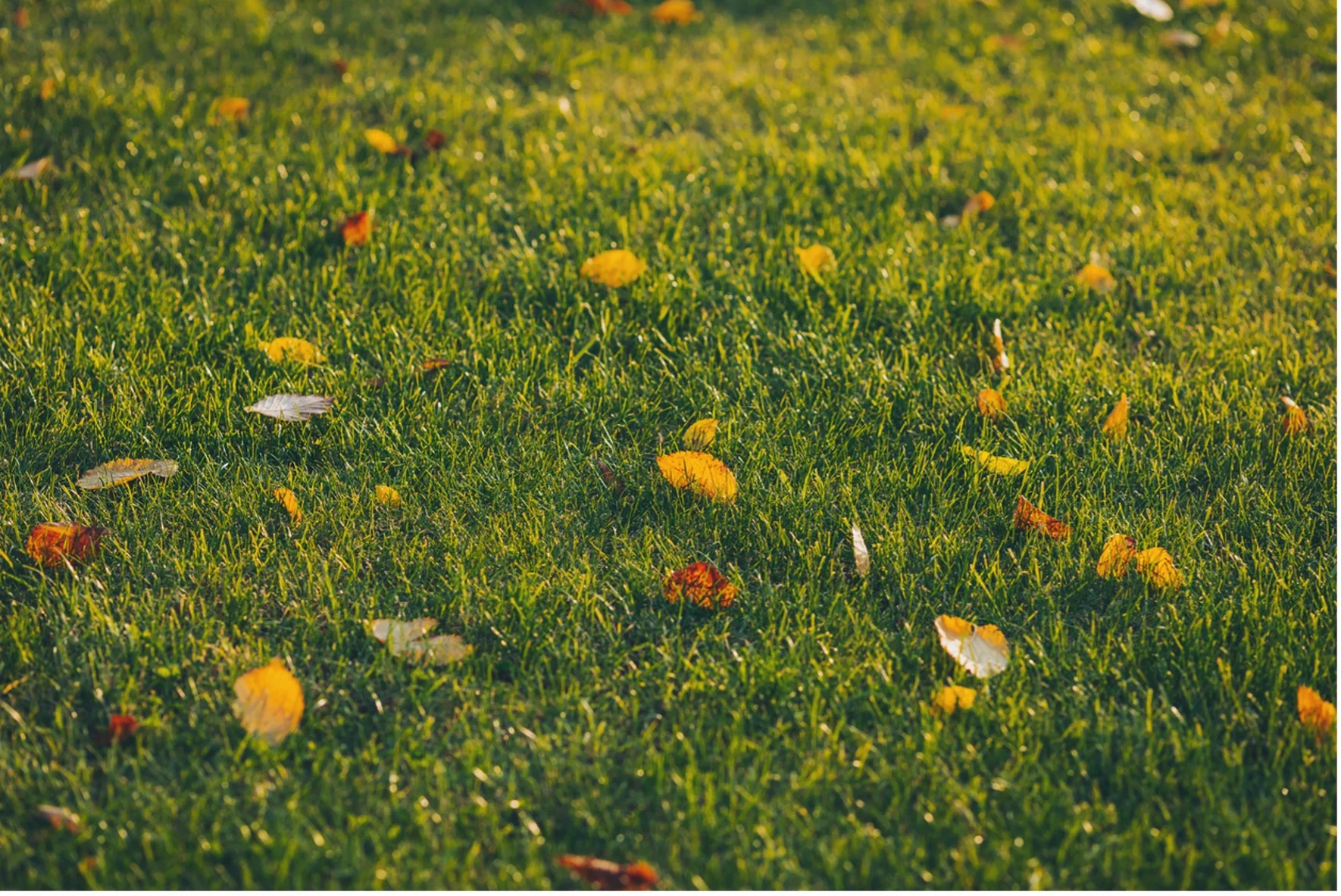
Your spot around the lake makes a difference too. Homes right on the water often stay a couple of degrees warmer at night because the lake is still giving off heat it picked up back in August. Head ten minutes out toward Troutman or Mount Ulla, or into a subdivision built down in a low area, and frost shows up a lot sooner. Cold air is heavier than warm air, so on clear nights it slides downhill and settles in the low yards. That's usually where we find the first broken fittings of the year.
The real deadline is the first hard freeze, when temperatures stay at 28 degrees or lower for several hours. If you're reading this in the first week of November, you still have some time. Just don't count on having a lot of it.
Why Waiting Is Risky
Water expands by roughly 9% when it freezes. That might not sound like much, but inside a PVC fitting it has nowhere to go. The shallow parts of the system crack first: the backflow preventer, the valves in those green boxes, lateral lines that weren't buried very deep, and the drip tubing in your flower beds.
There's also the cost to think about. Our Winterization service includes a No Freeze Damage Guarantee, and we honor it. What we can't do is cover a system that already went through a freeze before our tech got there. Holding off an extra couple of weeks could cost you the guarantee on top of the repair bill.
Going Too Early Causes Problems Too
This one catches a lot of people off guard. Most yards around Lake Norman are tall fescue, and fall is when fescue gets aerated and overseeded. Seed that went down in September or early October is still filling in and needs steady water. Shut the water off too soon and a good chunk of that seed won't make it, which means you paid for a very expensive bag of bird food.
Our Octobers also tend to be dry and warm. Three weeks without rain and an 80-degree afternoon isn't unusual, and shrubs and young trees don't do well heading into winter thirsty. Keep the sprinklers running while it's still warm out, then shut them down once the cold weather actually settles in.
“It Hardly Ever Gets Cold Here. Do I Really Need This?”
Fair question, since this isn't Buffalo. Our winters swing around a lot, though. A 22-degree night on Tuesday can turn into shorts weather by Thursday, and going back and forth between freezing and thawing is hard on anything with water in it.
The bigger issue is that you probably won't know right away. A cracked valve or elbow under the grass doesn't make any noise in January. Most people find out in April when they turn the system back on and end up with a puddle by the mailbox or a head spraying ten feet in the air. Sometimes a high water bill is the first clue. However you find out, the repair will cost more than a shutdown visit would have.
How to Tell It's Time
Start with the forecast. Once overnight lows are dipping into the low 30s, give us a call. The NWS Greenville Spartanburg office covers Iredell and Mecklenburg counties, and their seven-day forecast is about as reliable as it gets for this area.
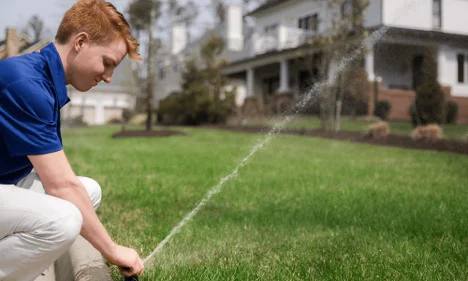
Then look at your lawn. If the overseeding has filled in and you're mowing every ten days or so instead of every five, the grass has slowed down and isn't asking much of the sprinklers anymore.
Check the controller too. A lot of people are still on their July watering schedule in November. That wastes water and leaves the soil soaked right before a freeze, which is the last thing you want.
If you've spotted a wet patch in the yard or a zone that's been running weak, get the irrigation repair taken care of before shutdown. A small leak in October can be a cracked pipe by February.
What Happens at a Winterization Visit
In the Carolinas we have a very shallow frost line, meaning that we must do a thorough job of winterizing even though it is not as difficult as in Michigan. There are many components of an irrigation system that are located either on the surface or buried only a few inches below the surface of the soil. These components include the lateral lines, valve boxes, drip tubing, and the backflow preventer. Any water left in these components is the first to freeze.
To remove any remaining water from the system we do a complete blowout of the irrigation system. We close the irrigation supply valve to the system and then we hook up a commercial air compressor to the system. We then run each zone of the system individually. As we run each zone we push water through the pipes, valves, and heads of the system until only air and mist come out of the heads of the system. We match the pressure of the compressor to the system to ensure that we clear the system without placing undue stress on any of the fittings of the system and without popping any of the heads of the system. We then drain the backflow preventer of the system and set it for winter. Finally, we switch the controller of the system to the off position or to the rain position so that the system will not come on by accident during the winter.
While on site, we complete a thorough inspection of the irrigation system. We write up a winterization report, outlining any deficiencies or items that need attention before the system is turned back on in the spring. We service all brands of systems, even those that were installed by another company.
If you have a Hunter Hydrawise controller, you can pause watering from your phone, and that's convenient. It won't close the supply valve or protect the backflow, though, so it can't take the place of a real winterization.
A Few Things to Do Before Your Appointment
Find your irrigation shutoff valve ahead of time so you can close it quickly if a cold snap beats us there. An insulated backflow cover from Lowe's or Home Depot is cheap and worth picking up. You should also disconnect the garden hoses from your outdoor spigots. Water left in a hose can freeze back into the faucet and the pipe behind the wall.
We'd advise against renting an air compressor to blow out the lines yourself. Too much pressure can crack fittings and pop heads off, and we've fixed plenty of systems that were “winterized” that way.
Think About Spring Now
A proper shutdown in the fall makes summerization much easier when spring comes back around.
If you'd rather not keep track of either one, our maintenance packages take care of both. Nice 'N Easy starts at $325 a year and includes summerization and winterization, plus 10% off repairs and upgrades. Full Season starts at $425 and adds a midseason inspection and priority scheduling. That last part helps a lot in November, when everyone calls the same week.
New to us? Schedule a free sprinkler system inspection and we'll show you how your system is performing and where it might be wasting water.
Get on the Schedule
The pontoons are already out of the water. Your sprinklers should be next.
We serve Mooresville and the towns around it, including Cornelius, Davidson, Huntersville, Denver, Troutman, and Sherrills Ford. Call us at (704) 960 1565 or book online. Once you're on the calendar, you won't have to keep checking the forecast.
