


Drainage Installation in Arvada
Stop Standing Water From Damaging Your Yard
Conserva Irrigation of Northwest Denver and Boulder provides professional drainage installation services designed to help homeowners manage excess water and protect their landscapes. Standing water, soggy turf, and runoff near foundations can lead to long-term property issues when left unaddressed. Proper drainage systems move water away from structures and landscaped areas, helping maintain a stable, healthy outdoor environment.
Persistent puddles often form when yards have poor grading, compacted soil, or limited runoff pathways. Water that stays in place can weaken grass roots, wash away mulch, and create muddy areas that make the yard unusable. Drainage systems guide water through controlled channels so it doesn’t accumulate in vulnerable spots.
A well-planned drainage solution also supports better irrigation performance. When excess water is managed correctly, lawns and planting beds absorb the moisture they need without becoming oversaturated, helping keep the landscape healthier throughout the growing season while minimizing unnecessary water loss.
Ready to solve your standing water problem? Call Conserva Irrigation of Northwest Denver and Boulder at (720) 477-4835 or contact our team online to schedule a property evaluation.
Yard Drainage Service
Professional yard drainage service begins with a detailed evaluation of the property. Our technicians examine where water collects and how runoff moves across the landscape, identifying the underlying causes of drainage problems rather than just the visible symptoms.
During the evaluation, we review:
- Lawn grading and soil conditions.
- Hardscape slopes around patios, walkways, and driveways.
- Gutter and downspout discharge locations.
- Irrigation patterns and possible overwatering.
- Areas where runoff collects during rainfall.
Arvada’s clay-heavy soil holds water, slows absorption, and contributes to standing water after rainfall or snowmelt. Colorado’s freeze-thaw cycles and spring snowmelt add seasonal drainage pressure that compounds those absorption limitations, making thoughtful system design especially important when planning yard drainage in Arvada.
Once the assessment is complete, we create a drainage plan based on your property’s layout. The design may include drains, piping, or grading adjustments that move water safely away from structures and low areas. Installation typically involves trenching to place drainage lines and components per the system design, including french drain installation where subsurface water near foundations or in low lawn areas requires it. After installation, trenches are backfilled and compacted, and disturbed areas are restored as carefully as possible.
Don’t let standing water threaten your home’s foundation; our custom-engineered French drains are designed to divert runoff safely away from your structure. Connect with our team online or call (720) 477-4835.
French Drain & Yard Drain Options
Different drainage challenges call for different solutions. Some yards struggle with surface water that collects after rainfall; others deal with saturated soil caused by water moving underground. The right system depends on how water behaves on your specific property.
French Drains
French drains are the go-to solution where water saturates soil near foundations or in low sections of turf. French drain installation in Arvada involves trenching, placing a perforated pipe bedded in drainage aggregate, sloping the pipe run toward a safe outlet, and backfilling with gravel to maintain filtration over time. This approach can reduce soil saturation and help protect nearby structures from excess moisture. It’s most commonly needed where clay soil holds subsurface water near foundations, in side yards, or in low lawn areas that stay saturated after storms or snowmelt.
Because we plan drainage and irrigation systems to work together, french drain installation in Arvada accounts for existing irrigation zones and soil moisture targets, not just water removal. That coordination helps a french drain installation avoid disrupting or contradicting your property’s watering schedule.
Yard Drains
Yard drains, sometimes called area drains, capture water that gathers on the surface. These drains are installed flush with the ground and connected to underground piping, collecting surface water and redirecting it away from the affected area.
Situations Where Drainage Systems Help
Drainage systems are commonly installed to address:
- Soil along the side of a house staying wet long after rainfall.
- Low lawn areas that collect water and turn muddy.
- Mulch or gravel washing out of planting beds.
- Runoff flowing toward patios, sidewalks, or driveways.
Combining several drainage components often provides the most reliable approach. A French drain may capture groundwater while surface drains handle runoff during heavy storms, giving the property more complete coverage.
Catch Basin & Landscape Drains
Driveways and patios sometimes trap water and direct it toward doors or foundations. Catch basins manage runoff in these hardscape areas effectively. They sit slightly below the surrounding surface, collecting water before it spreads across paved areas and directing it into underground piping away from garage doors, steps, and entryways, helping reduce the risk of pooling, staining, and surface deterioration.
Landscape drain installation places drains at ground level in lawns and planting beds to collect runoff traveling across soil or mulch. These drains are often positioned near downspouts or along the edge of raised beds where water naturally flows. Landscape drain installation in Arvada is especially useful where downspout discharge concentrates water in planting beds or where sloped hardscape directs flow toward doors and foundations.
Many drainage systems connect multiple inlets to a shared underground outlet, allowing runoff from several areas to be managed through a single network. This approach helps maintain stable soil conditions while protecting plants and turf from excessive moisture.
Why Homeowners Choose Our Team
Drainage installation in Arvada requires careful planning and a clear understanding of how water interacts with soil, slopes, and irrigation systems. Homeowners want solutions that address root causes, not temporary fixes that leave the underlying problem in place.
A well-designed drainage system can deliver long-term benefits:
- Reduced standing water and muddy lawn areas.
- Protection for foundations and hardscapes.
- Healthier soil conditions for grass and plants.
- Improved efficiency for irrigation systems.
- Lower risk of erosion in planting beds.
Drainage and irrigation systems work best when designed to complement each other. Our background in irrigation means drainage installation in Arvada is planned alongside your watering schedule, so both systems support landscape water balance rather than working against each other. Routine inspections can also help catch small issues before they become larger drainage concerns. We back our drainage work with a satisfaction guarantee.
Frequently Asked Questions
1. How Do I Know If I Need Yard Drainage?
Signs of drainage problems include standing water that lasts more than a day, recurring muddy spots, and runoff collecting near foundations or walkways. A property evaluation helps determine whether drainage improvements make sense for your yard.
2. Will Drainage Installation Damage My Lawn and Landscaping?
Installation requires trenching, so small sections of turf or planting beds may be temporarily disturbed. These areas are typically restored after the drainage lines and components are in place.
3. Can Drainage Systems Work with Existing Irrigation Systems?
Yes. Drainage systems can be designed to function alongside irrigation systems, and coordinating the two helps support healthy soil conditions.
4. How Long Does a Typical Drainage Installation Take?
Project length depends on yard size, soil conditions, and the number of drainage components involved. Many residential projects are completed within a short timeframe once installation begins.
5. What Types of Drainage Systems Are Commonly Used in Residential Yards?
Common solutions include French drains, yard drains, catch basins, and landscape drains. These can be used individually or combined to manage both surface water and subsurface moisture.
Professional Drainage Installation Services in Arvada
Effective drainage systems can help protect lawns, landscaping, and structural areas from the damage that standing water and uncontrolled runoff can cause. When designed to work alongside irrigation, a well-built drainage system helps maintain balanced moisture throughout the landscape, reducing erosion, protecting plant roots, and helping prevent long-term property damage.
Conserva Irrigation of Northwest Denver and Boulder provides drainage installation services designed to manage water movement and support lasting landscape health in Arvada. If standing water or soggy turf is affecting your yard, we’re ready to help.
Stop water from pooling at your garage door or staining your patio with precision-placed catch basins and trench drains. Connect with our team online or call (720) 477-4835.

-
Better Lawn Health
The drainage solutions that Conserva offers can stop unwanted mold and fungus from forming on and around the pooling water. Your lawn will be much healthier with a custom drainage project from Conserva.
-
No Standing Water
Working with Conserva on a drainage project can get rid of the standing water on your lawn, which can wreak havoc on your grass and attract annoying bugs. Get rid of any standing water today with a custom drainage project.
-
Satisfaction Guarantee
With our drainage services, your satisfaction is of the utmost importance. We want to make sure that you are in love with your custom drainage project - that means we will make sure that it not only solves the drainage issue but is also an aesthetically pleasing addition to your yard.
-
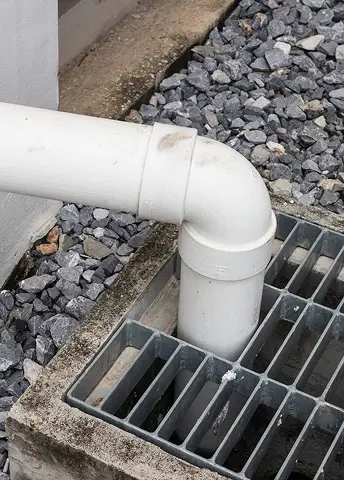 Direct Pipe
Downspout drains can clog with debris, so the grate can easily be removed to clean the clog.
-
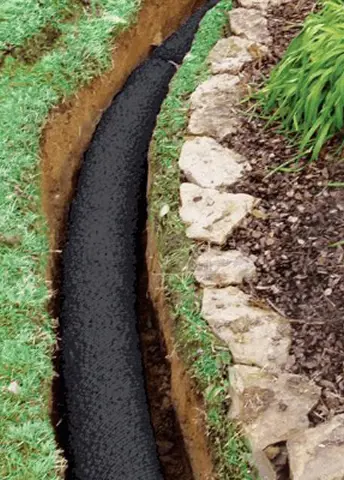 French Drains
French drains are rock-covered trenches, that lead water into a pipe. That pipe then redirects the water to a more desirable location, or disperses it so there is no standing water in your yard.
-
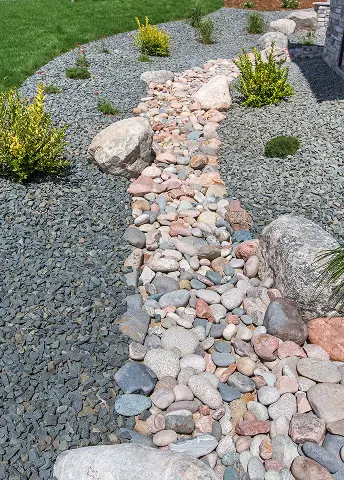 Dry Creek Beds
Dry creek beds are a great solution for properties with shaded areas and little slope. They move large amounts of water, cut down on erosion, and can prevent soil movement, while also being effective and aesthetically pleasing. Conserva offers design options that range from simple to elaborate.
-
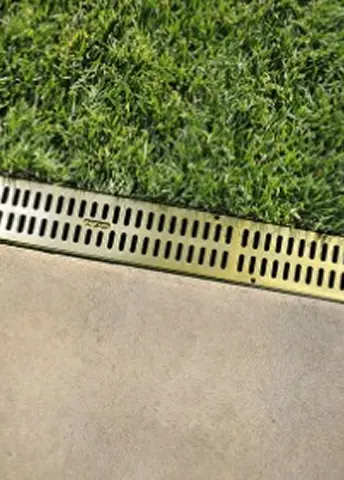 Channel Drains
Channel drains are commonly uses to keep driveways, patios, and pool decks free of standing water. These drains include long grates that collect water and move it through underground trenching.
-
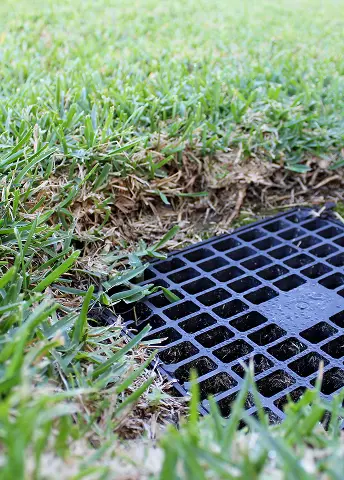 Downspout Drains
Downspout drains connect to your gutter system and are designed to move water away from the house. Downspout drains can be custom to your property, as some need extensions or underground drain lines to prevent pooling water.
-
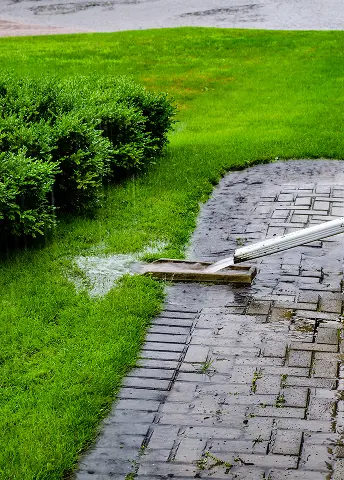 Downspout Catch Basin
A downspout and grate combination is used when it is likely that debris will be caught in your drainage system. Trees that hang over your home will lead Conserva to determine you need this component.A downspout and grate combination is used when it is likely that debris will be caught in your drainage system. Trees that hang over your home will lead Conserva to determine you need this component.
-
Downspout Defender Catch Basin
The downspout defender catch basin utilizes an angled grate to ensure that no debris from your roof enters your drainage system.The drainage defender utilizes an angled grate to ensure that no debris from your roof enters your drainage system.
-
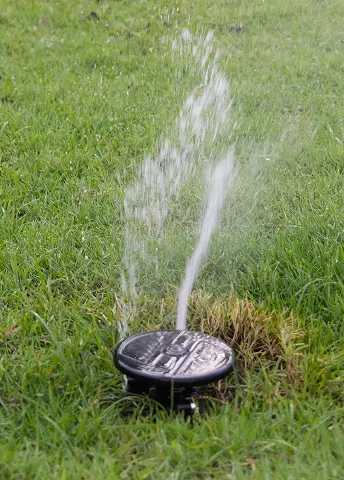 Pop Up Emitters
Pop up emitters are used to transfer runoff water away from the foundation of your home.


-
1Free InspectionWe evaluate your current setup and create a System Efficiency Score to identify exactly what's working and what's wasting water.
-
2Fix the Urgent StuffOur experts fix critical issues first, prioritizing repairs that will have the biggest impact on water savings and system performance.
-
3Optimize PerformanceWe fine-tune sprinkler placement, adjust nozzles, and ensure even water distribution across your landscape for maximum efficiency.
-
4Upgrade TechnologyReplace outdated timers with intelligent controllers and sensors that reduce water usage by 40-60% while keeping your lawn healthy.
-
5Keep Things WorkingChoose from our maintenance plans to ensure your system stays efficient year after year, protecting your investment and savings.
-
 What's Your Water IQ?Water is one of the earth's most abundant resources, yet it's also one of the most precious and unfortunately, one of the most often wasted. To understand our passion for water conservation, consider these facts.
 -
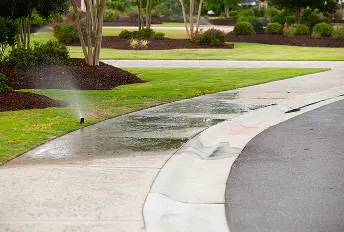 Products & PartnershipAt Conserva Irrigation®, we pride ourselves on offering the best irrigation and water conservation products available. That's why we're happy to partner with Toro and Hunter, the leaders in turf and landscape maintenance. We work together to bring you beautifully green lawns with less waste.
 -
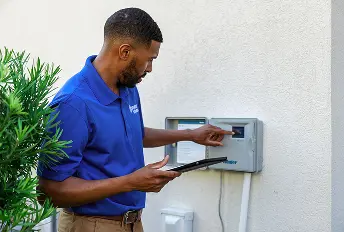 Hunter Hydrawise ControllerThe Hunter Hydrawise Wi-Fi Controller is the most advanced sprinkler system controller on the market. The Hydrawise controller uses real-time local weather data to automatically adjust your watering schedule, so your yard gets watered only when it's needed and never when it's not.