

Water is one of North Texas’ most valuable resources—and also one of the most wasted. With long, hot summers, unpredictable rain, and frequent watering restrictions, traditional sprinkler systems often do more harm than good. That’s where smart irrigation comes in.
Smart irrigation systems use weather data, soil conditions, and real-time monitoring to water landscapes only when—and where—it’s truly needed. The result? Healthier lawns, lower water bills, and a big win for conservation.
Why Traditional Irrigation Falls Short
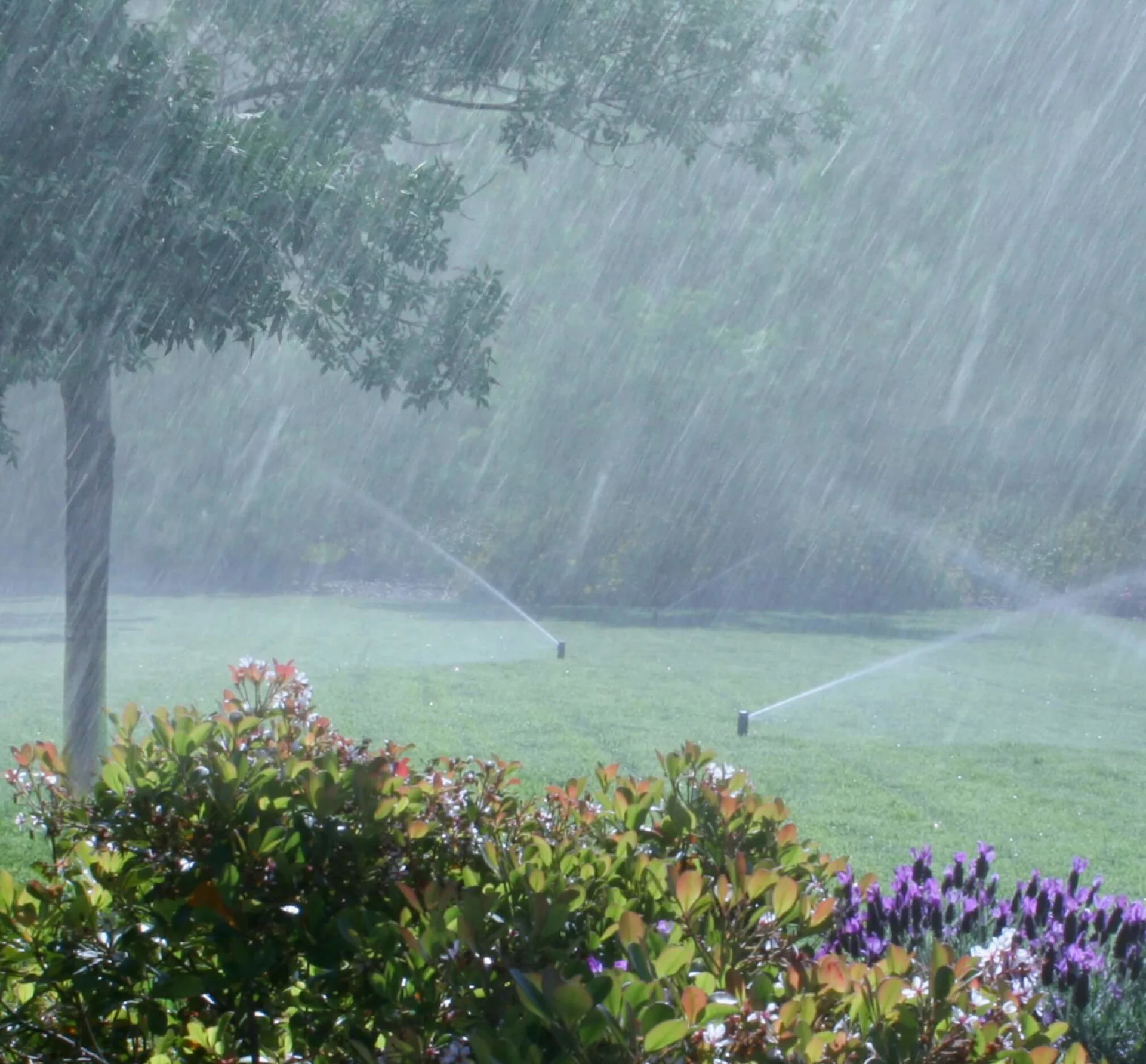
Old-school irrigation systems run on fixed schedules, regardless of rainfall or temperature. In North Texas, that often means:
Watering during rainstorms
Overwatering clay-heavy soils
Runoff down sidewalks and driveways
Stressed turf and plants
All of that wasted water adds up quickly.
How Smart Irrigation Works
Smart irrigation controllers adjust watering automatically using:
Local weather data (rain, temperature, humidity, wind)
Soil moisture sensors
Seasonal plant needs
Evapotranspiration rates (how fast water evaporates in heat)
Instead of guessing, your system responds to real conditions—ideal for North Texas’ constantly changing weather.
Key Benefits for North Texas Homeowners
Significant Water Savings
Smart systems can reduce outdoor water use by 20–50%, especially during peak summer months.
Healthier Lawns in Extreme Heat
By watering deeply and efficiently, grass roots grow stronger and survive heat waves better.
Lower Water Bills
Less waste means noticeable monthly savings—often paying for the system over time.
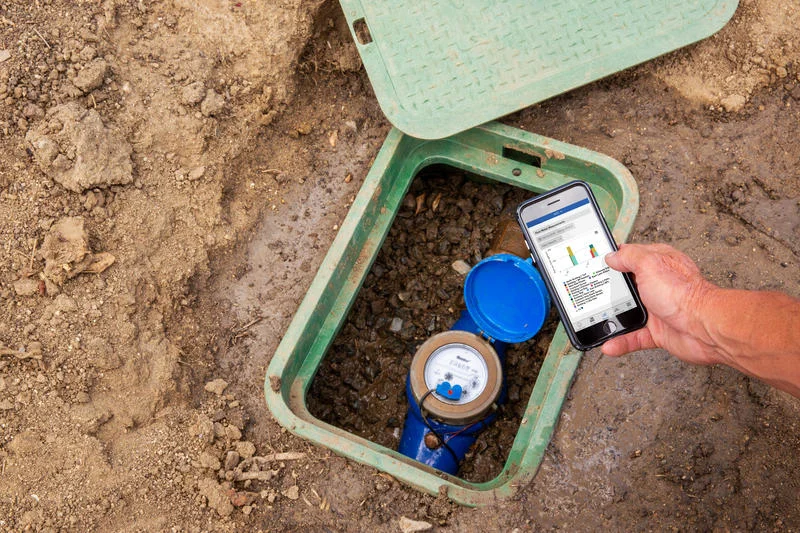
Total Control from Your Phone
Many smart systems allow remote access, instant adjustments, and alerts for leaks or broken heads.

Smart Irrigation and Local Water Restrictions
Many North Texas cities limit watering days and times. Smart irrigation systems:
Automatically comply with restrictions
Skip watering after rainfall
Help homeowners avoid fines
Some municipalities even offer rebates for installing smart controllers.
