


Irrigation Installation in Ypsilanti
Make Watering Easier With a System Designed for Your Yard
A professionally planned irrigation system can remove much of the effort and uncertainty from caring for a lawn and landscape. Instead of dragging hoses, guessing run times, or dealing with inconsistent results, a well-designed system delivers water evenly and reliably. At Conserva Irrigation of Ann Arbor, irrigation installation is approached with careful planning that reflects how each yard actually behaves throughout the seasons.
Every property has its own mix of sun exposure, shade, slopes, and plant types. These factors influence how water should be applied to support healthy growth without waste. Rather than relying on a generic layout, irrigation installation is based on detailed observation and thoughtful design so each zone serves a clear purpose. This approach helps lawns maintain consistent color and density while protecting gardens, trees, and shrubs.
Why Homeowners Choose Professional Irrigation Installation
Installing a new irrigation system is a significant investment in your property. It affects not only how your yard looks, but also how efficiently water is used over time. A professional approach helps protect that investment by focusing on durability, accessibility, and long-term performance.
Local Planning and Practical Design
Irrigation systems must account for regional conditions such as seasonal rainfall patterns, summer heat, and freeze-thaw cycles. These elements influence pipe depth, component placement, and controller setup. Systems designed with these factors in mind tend to perform more reliably and require fewer corrections later.
One Team, One Process
Handling design, installation, and initial setup through a single team helps reduce confusion and miscommunication. Clear explanations, careful preparation, and attention to detail all contribute to a smoother installation experience and a system that functions as intended from the start.
Smart Irrigation System Design for Lawns and Landscapes
An effective irrigation system begins with careful planning. Before installation, the property is evaluated to understand how water currently moves across the lawn and landscaped areas. Soil type, grading, and drainage patterns all play a role in determining where water should be applied and how long it should run.
Zones are grouped based on similar needs. For example, sunny lawn areas, shaded side yards, and planting beds often require different watering schedules. Separating these areas helps avoid overwatering some sections while others remain dry. Trees, shrubs, and flower beds may also benefit from targeted solutions such as drip irrigation rather than traditional spray heads.
Local climate considerations also influence design choices. Pipe placement and component selection take into account freezing conditions, while controller programming allows for seasonal adjustments without constant manual changes.
Reduce water waste and enjoy a healthier lawn with a system zoned for even distribution and efficient output. Connect with our expert team online or call (734) 349-1551 to learn about our customized watering solutions.
What to Expect During Irrigation System Installation
Understanding the installation process helps set realistic expectations and reduces uncertainty.
Initial Consultation and Planning
The process typically begins with an on-site visit to review current watering habits, discuss goals, and measure key areas. During this visit, potential pipe routes and zone layouts are considered, along with existing utilities and landscape features.
Installation Day Overview
Once plans are finalized, installation is scheduled based on weather and availability. On the scheduled day, lines and heads are marked out before work begins. Equipment suitable for residential properties is used to limit surface disruption.
Some lawn disturbance is unavoidable, as piping and components must be placed below ground. After installation, soil is backfilled, tamped, and turf is replaced where practical to support recovery.
System Testing and Setup
Before completion, each zone is run and evaluated for coverage. Adjustments are made as needed, and an initial watering schedule is programmed. Homeowners are shown how to operate the controller and make basic changes.
Benefits of a Professionally Installed Irrigation System
A thoughtfully installed irrigation system offers several long-term benefits:
- More consistent coverage: Heads are positioned to work together, reducing dry spots and oversaturated areas.
- Improved efficiency: Water is directed where it is needed, helping reduce runoff and unnecessary use.
- Time savings: Automatic scheduling eliminates daily manual watering tasks.
- Healthier landscapes: Lawns and plants receive steady moisture that supports even growth.
Over time, these benefits help protect landscaping investments and simplify seasonal care.
Ongoing Service, Adjustments, and Seasonal Support
As landscapes grow and change, irrigation systems may need occasional fine-tuning. Grass thickens, trees mature, and beds expand, which can alter coverage patterns. Adjustments such as head alignment or schedule changes help keep systems performing well.
Seasonal attention is also important. Spring checks help identify any issues after winter, while summer adjustments support plant needs during warmer periods. As colder weather approaches, proper timing and care help protect system components.
Serving a Wide Range of Properties
Properties vary widely in size and layout, from compact residential lots to larger yards with multiple landscape features. Each presents unique challenges related to soil composition, drainage, and slope. These factors are evaluated individually so irrigation installation supports both performance and efficiency.
Frequently Asked Questions
1. What happens to my lawn during irrigation installation?
Some lawn disruption is necessary to place piping and components below ground. Installation routes are planned carefully to limit impact, and turf is replaced where possible. Most lawns begin to recover within weeks as roots reestablish.
2. How long does it usually take to install a new system?
Installation time depends on yard size, number of zones, and layout complexity. Smaller properties may take less time, while larger or more detailed systems require additional work. Expected timing is discussed during planning.
3. Will I be shown how to use the irrigation controller?
Yes. After installation, the controller is programmed and explained in clear terms. This includes how to adjust run times, change days, and pause watering when needed.
4. Can irrigation installation work around existing landscaping and hardscapes?
Layouts are planned to account for trees, shrubs, patios, walkways, and other features. Routes and head placement are adjusted to protect these elements while maintaining effective coverage.
5. What if dry spots or issues appear after installation?
New systems may need minor adjustments as soil settles and plants respond. Coverage and controller settings can be reviewed and refined to address any uneven areas.
Thoughtfully Designed Irrigation Systems for Reliable Yard Care
A properly planned irrigation system helps maintain consistent lawn health, supports efficient water use, and simplifies seasonal yard care. By taking into account soil conditions, plant needs, and long-term performance, irrigation installation becomes a practical improvement rather than a temporary solution. With careful design, precise installation, and ongoing system awareness, homeowners can enjoy balanced coverage and dependable results year after year. Conserva Irrigation of Ann Arbor remains committed to providing irrigation solutions that align with the unique characteristics of each property and the changing demands of the seasons.
Rely on one dedicated local team to handle everything from initial zone design to final controller programming. Connect with our expert team online or call (734) 349-1551 to begin your journey toward an automated, hassle-free yard.
-
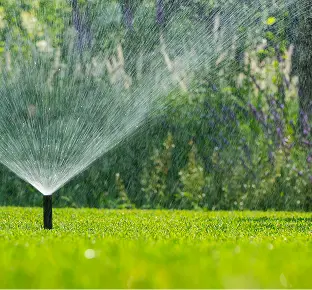 HardwareSprinkler heads, valves, controllers, and pipes for optimal performance
 -
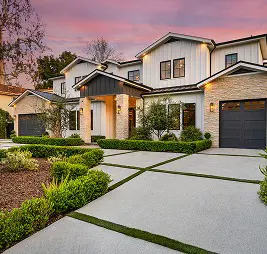 Seasonal Maintenance Packages
 -
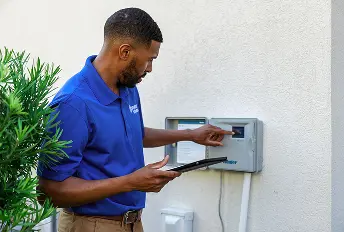 Controller Failure
As the brains of your sprinkler system, it's critical to avoid issues like electrical concerns, controller display problems, and more. Our team is equipped and ready to help solve these controller concerns!
-
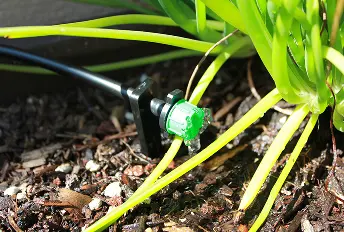 Irrigation Repairs
Leaks, broken heads, controller issues, dry patches, and even electrical malfunctions — our techs are trained and equipped to find and fix whatever is disrupting your sprinkler performance.


-
1Free InspectionWe evaluate your current setup and create a System Efficiency Score to identify exactly what's working and what's wasting water.
-
2Fix the Urgent StuffOur experts fix critical issues first, prioritizing repairs that will have the biggest impact on water savings and system performance.
-
3Optimize PerformanceWe fine-tune sprinkler placement, adjust nozzles, and ensure even water distribution across your landscape for maximum efficiency.
-
4Upgrade TechnologyReplace outdated timers with intelligent controllers and sensors that reduce water usage by 40-60% while keeping your lawn healthy.
-
5Keep Things WorkingChoose from our maintenance plans to ensure your system stays efficient year after year, protecting your investment and savings.
-
 What's Your Water IQ?Water is one of the earth's most abundant resources, yet it's also one of the most precious and unfortunately, one of the most often wasted. To understand our passion for water conservation, consider these facts.
 -
 Products & PartnershipAt Conserva Irrigation®, we pride ourselves on offering the best irrigation and water conservation products available. That's why we're happy to partner with Toro and Hunter, the leaders in turf and landscape maintenance. We work together to bring you beautifully green lawns with less waste.
 -
Hunter Hydrawise ControllerThe Hunter Hydrawise Wi-Fi Controller is the most advanced sprinkler system controller on the market. The Hydrawise controller uses real-time local weather data to automatically adjust your watering schedule, so your yard gets watered only when it's needed and never when it's not.